Two-week SA+Moz: set pace and expectations
The first real decision happens before you book anything: do you want “three great bases” or “six decent stops”? With 14 days as a couple on a mid-range budget, the trip feels smooth when you treat it like a sequence of hubs—Cape Town, a safari base, then the Mozambique coast—rather than trying to stitch every famous drive into one loop. The moment you add “just one more” detour, your best hours get eaten by check-out times, airport transfers, and late arrivals that don’t feel like travel, just logistics.
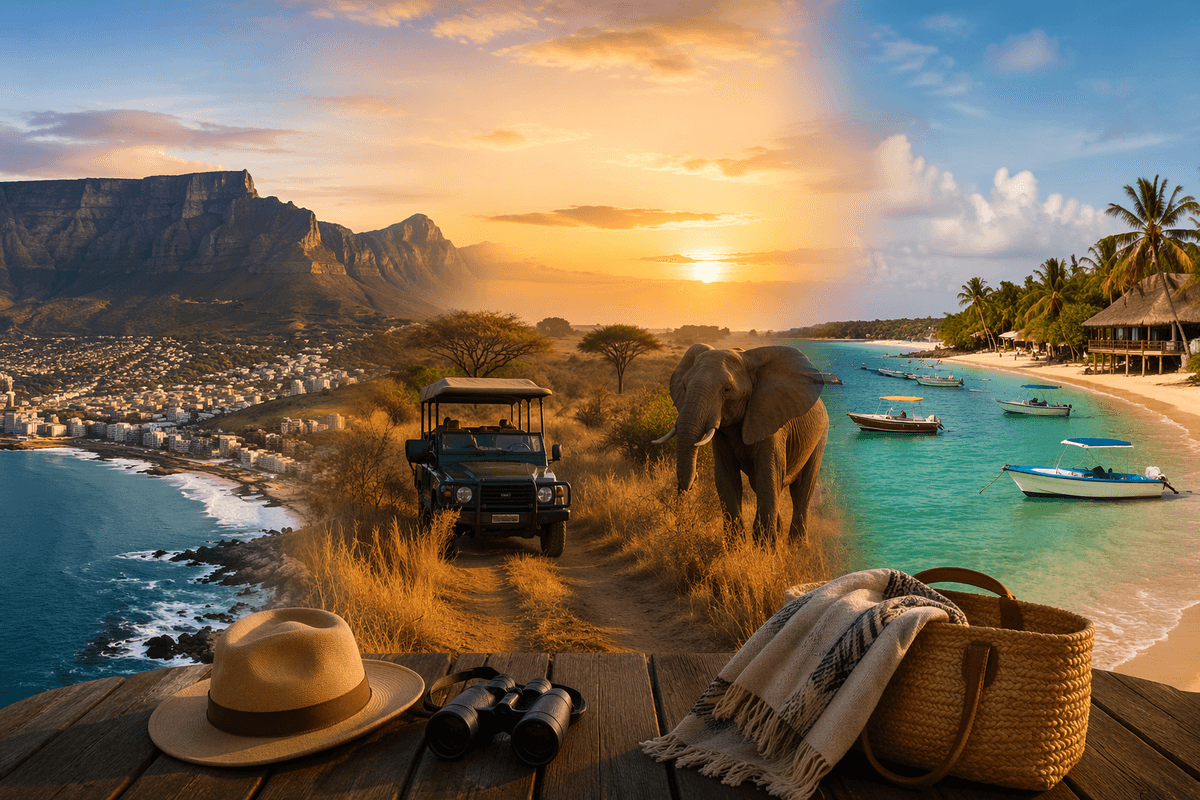
The framework that holds up is: Days 1–5 in/around Cape Town (city + one day trip), Days 6–8 for safari (Kruger area works if you accept earlier mornings and longer transfers; private reserves often feel easier but push the budget fast), and Days 9–12 for Mozambique beaches (worth it if you’re okay with tighter flight connections and less flexibility when something slips). The constraint most first-timers underestimate is distance: South Africa’s “nearby” can still mean a full day once you factor in roads, traffic, and fatigue—especially if you’re trying to drive and sightsee on the same day.
Build in at least one buffer day near the end, not because it’s luxurious, but because it prevents the whole plan from collapsing if a flight runs late, weather closes a road, or you simply hit that mid-trip wall. It’s the difference between a packed itinerary and one you can actually enjoy.
Days1-3 CapeTown: Must-TableMountain Opt-CapePoint Skip-Malls
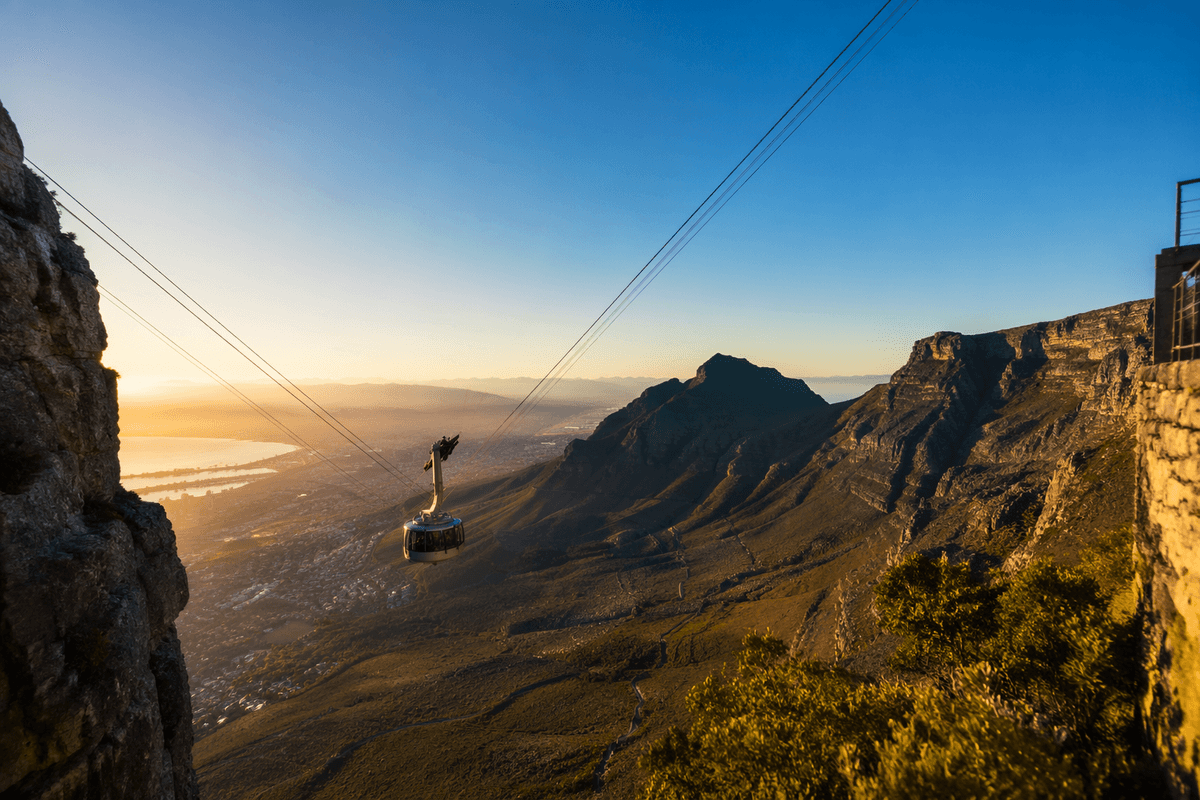
The first Cape Town friction point is usually weather: we woke up to a perfectly clear city bowl and still hesitated, because Table Mountain can shut down fast when the wind kicks up. If you only do one “can’t-miss” here, make it the mountain on Day 1 or Day 2—whichever has the best forecast—because pushing it to “later” is how it quietly disappears from the trip. The cableway is the easy win, but it also means crowds and lines; if you’re a couple who’s happy to trade time for space, an early start (or a late afternoon slot) feels calmer than midday.
Day 2 worked best as a flexible city day: a slow breakfast, a neighborhood wander, and one focused museum/market stop instead of trying to “see all of Cape Town.” The limitation is energy—Cape Town is deceptively spread out, and ride-hailing between areas adds cost and little chunks of waiting that don’t show up in your plan. This is where skipping malls actually helps: they’re familiar, they’re air-conditioned, and they quietly steal half a day you’ll want later for coastline or safari recovery.
Cape Point on Day 3 is optional for a reason. It’s gorgeous, but it’s a long loop with stop-and-start traffic, and it’s easy to overstuff with “just one more” viewpoint. If you go, pick two anchor stops (like Chapman’s Peak drive plus one beach or lookout) and accept you’ll be back in town later than you think—great if you have stamina, annoying if you’re trying to squeeze in a sunset dinner reservation.
Days4-5 Winelands+GardenRoute: M-Hermanus O-Stellenbosch S-BusTours
On Day 4 we had that classic fork-in-the-road moment: do you chase “Winelands photos” or do you take the coastline while you still have city energy? Hermanus ended up being the cleanest win because it feels like a real change of scenery without turning the day into a logistics marathon. It’s still a drive, and traffic leaving Cape Town can chew up your morning, but once you’re on that stretch of coast the pace slows down in a way Stellenbosch doesn’t always deliver (especially when tasting rooms are busy and reservations start dictating your timeline).
Hermanus also plays nicely with a couple’s budget: you can spend money where it matters (a good lunch, a nicer room, a low-key sunset drink) instead of paying per-person for a rigid itinerary. The catch is that it’s weather- and season-sensitive—if the wind is up or the sea is flat and gray, it can feel like you “drove for vibes.” That’s why I like it as the Must, not because it’s always dramatic, but because it’s reliably restorative before safari mornings.
Stellenbosch is a solid Option if you’re specifically into wine and don’t mind the day being structured around tastings. What didn’t work for us: bus tours. They remove the driving stress, but you lose control of timing, you linger at places you wouldn’t choose, and you’ll be back later than planned—exactly the kind of time slip that makes Day 5 (your Garden Route positioning day) feel rushed instead of scenic.
Days6-8 KrugerSafari: M-DawnDrive O-PanoramaRoute S-SelfCatering
The first safari morning is where the “Kruger is easy” myth falls apart a little: the gate times and the light dictate your day, not your appetite or your sleep. We set alarms that felt unreasonable coming from Cape Town, but dawn drives were the single best value decision—cooler air, more animal movement, fewer cars, and you’re not fighting the heat haze in every photo. The cost is obvious: by mid-afternoon you’ll either nap (and feel like you’re “wasting” time) or you’ll push through and get snippy with each other by dinner.
For Days 6–8, Kruger works best if you pick one base and stay put. Swapping camps sounds efficient on a map, but check-in/out windows and long, slow wildlife roads turn it into a constant “are we late?” loop. A private reserve can feel more curated—often fewer vehicles at sightings and less self-navigation stress—but you’ll pay for that ease, and it can squeeze your Mozambique budget later. In Kruger, you trade some polish for control: you can do a sunrise game drive, then choose a lazy midday reset, then go back out for golden hour without anyone’s schedule but your own.
The Panorama Route is the right kind of optional: it’s genuinely beautiful, but it’s also a full-day add-on that competes directly with game time. We liked it as a pressure-release valve if sightings were slow or if you needed a non-safari day for your brain to catch up—but if you only have three safari days total, giving one away can sting.
Self-catering sounds like a budget hack, and it is, but it’s not friction-free. Grocery runs take longer than you expect, braais aren’t instant, and “quick dinner” after a 4:30 a.m. start can become a small argument about effort. We were happiest when we planned one simple self-cater night, then paid for an easy restaurant meal the next—less virtuous, more sustainable.
Days9-12 MozambiqueCoast: M-TofoSnorkel O-MaputoFood S-TightConnections
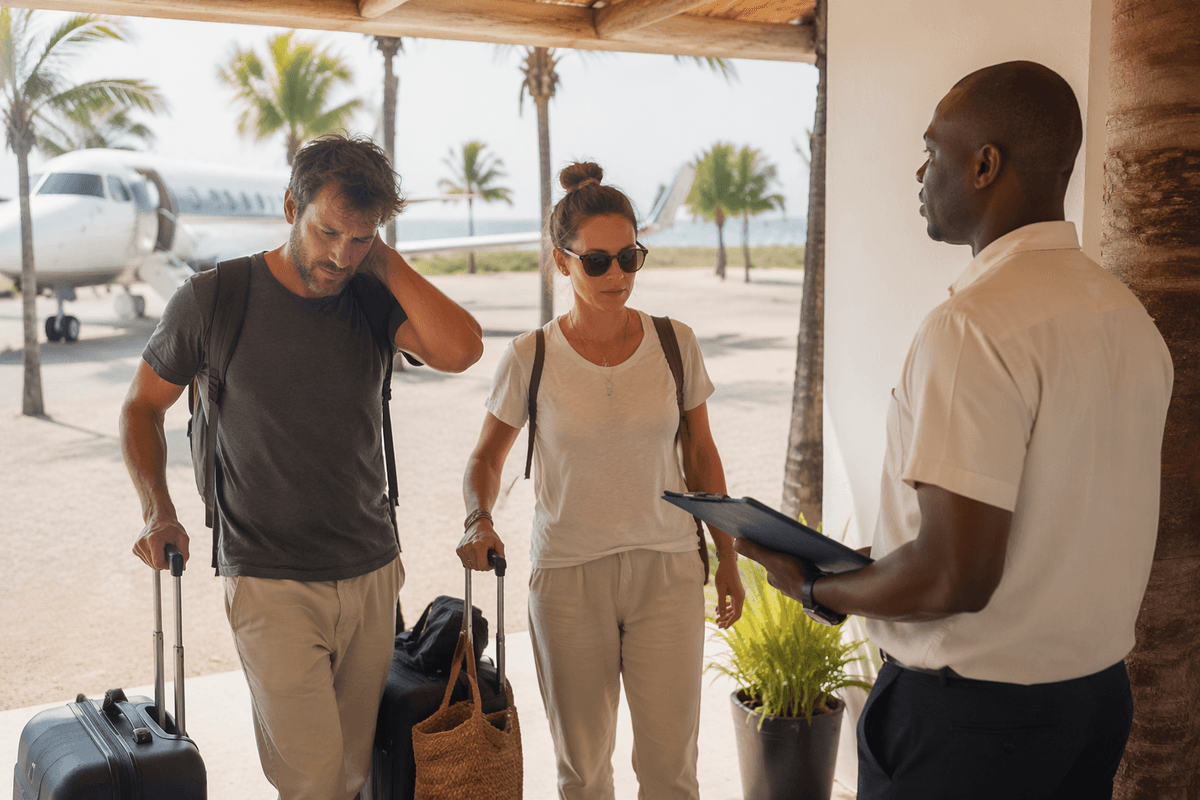
We landed in Mozambique with that slightly brittle feeling you get after a multi-leg travel day: you’re excited for beach time, but you’re also one delayed bag away from losing the first evening. This is why I treat Days 9–12 as a “one mission” block. If your mission is Tofo, commit to it and simplify everything else—fewer stops, fewer transfers, fewer chances for a tight connection to turn into a salvage operation. The smooth version is flying into Inhambane/Tofo via Maputo (or Johannesburg → Maputo → onward), getting a pre-booked transfer, and accepting that your arrival day is mostly logistics. The version that looks cheaper on paper—stacking multiple short flights with minimal layovers—can cost you more once you’re paying for last-minute transport and losing a half-day to waiting.
Tofo is the Must for a reason: the snorkeling/diving is the point, and it works best when you give it two full mornings rather than trying to “fit it in” between travel hops. Conditions are the constraint—wind, swell, and visibility change the experience—and operators will cancel or shift times if it’s not safe, which is exactly what you want, but it forces flexibility. We had the best results booking the first water day as early as possible, then keeping the next morning open as a backup; it’s less romantic than “one perfect excursion,” but it’s how you avoid leaving Tofo without actually getting in the water. Also, Tofo is casual and spread out: you’ll spend more on short rides and decent meals than you expect, but you’ll save money by not chasing “luxury beach” standards that don’t match the vibe.
Maputo is a solid Option if you’re the kind of couple that likes a city palate-cleanser—one night, one serious meal, then back to the plan. The limitation is that Maputo rewards confidence (and time): restaurant timing, cash/ATMs, and getting around can feel less frictionless than Cape Town, especially if you’re arriving tired and trying to keep connections tight. If you do it, build a real buffer between flights, and keep your border/entry paperwork mindset switched on—this isn’t the place to discover you assumed the wrong requirement at the counter. If you’re choosing what to Skip, skip tight connections, not experiences: a slower day with your feet in the sand beats a “perfect routing” that strands you in transit clothes, staring at a departures board.
Days13-14 Wrap+fly: M-BufferDay O-PhotoReview S-Overpack
Day 13 was the first time the itinerary stopped feeling like a relay race. We kept it deliberately boring: one last slow breakfast, a final swim if the water cooperated, then a mid-day transfer back toward your departure airport (or at least to a place with reliable taxis and backup lodging). The constraint is psychological more than scenic—buffer days feel “wasted” until you’ve lived through one delayed flight or one border queue that eats an afternoon. If you’re flying out on Day 14, the cleanest version is sleeping within easy reach of the airport the night before, even if it’s not your most charming night of the trip.
The optional move that actually improved our finish was a short photo review session that evening: dump cards, flag favorites, and make sure your best safari shots aren’t trapped on one SD card that could fail on the way home. It’s not romantic, and it does cost you an hour you could spend at a beach bar, but it reduced that nagging “did we lose anything?” feeling—especially after early Kruger mornings where you shoot a lot and remember little.
The skip is overpacking for the flight days. We watched other travelers wrestle with bulging bags at check-in, and it looked exhausting. Keep one set of “transit clothes” easy to reach, and accept that souvenirs you can’t carry comfortably will be the first thing you resent at 4:30 a.m. on Day 14.