Why small swaps often beat strict diet overhauls
It usually shows up in a plain moment: you finish a sweet coffee, answer a few emails, and somehow you’re hungry again before lunch. Nothing feels “wrong,” but your body acts like it didn’t quite get what it needed.
Strict overhauls often fail because they ask you to fight your defaults all day. When food is grabbed between meetings or eaten while driving, willpower gets spent fast. Small swaps work differently. They change what your routine delivers—more protein or fiber, less added sugar or sodium—without requiring a new personality. Over time, that can soften the sharp edges: fewer energy dips, less “snack hunting,” and meals that actually hold you.
An afternoon slump might be sleep, stress, or a light lunch. But if the pattern repeats, it’s often your everyday choices quietly steering it.
Drink swaps that reduce sugar without deprivation
Halfway through the commute, the cup is already empty, but the sweetness seems to linger—then it drops off fast. You may start scanning for something else to sip, not because you’re truly thirsty, but because your brain learned that “drink” is where quick energy comes from.
Sweet drinks tend to land as sugar without the slowdown you’d get from chewing, fiber, or protein. That can make them feel oddly unsatisfying: plenty of taste, not much staying power. One quiet swap is keeping the ritual but changing the base—unsweetened iced tea or coffee with a small splash of milk, plain sparkling water with lemon, or even cutting a usual sweet drink with half plain seltzer. It often still feels like a treat, just less of a sugar surge.
The “zero sugar” doesn’t always mean “problem solved.” Some people notice that very sweet diet drinks keep cravings mentally switched on, while others find them genuinely helpful. If the afternoon slump keeps happening, it may be less about perfection and more about which drink leaves you calmer an hour later.
Carb upgrades that keep fullness more stable
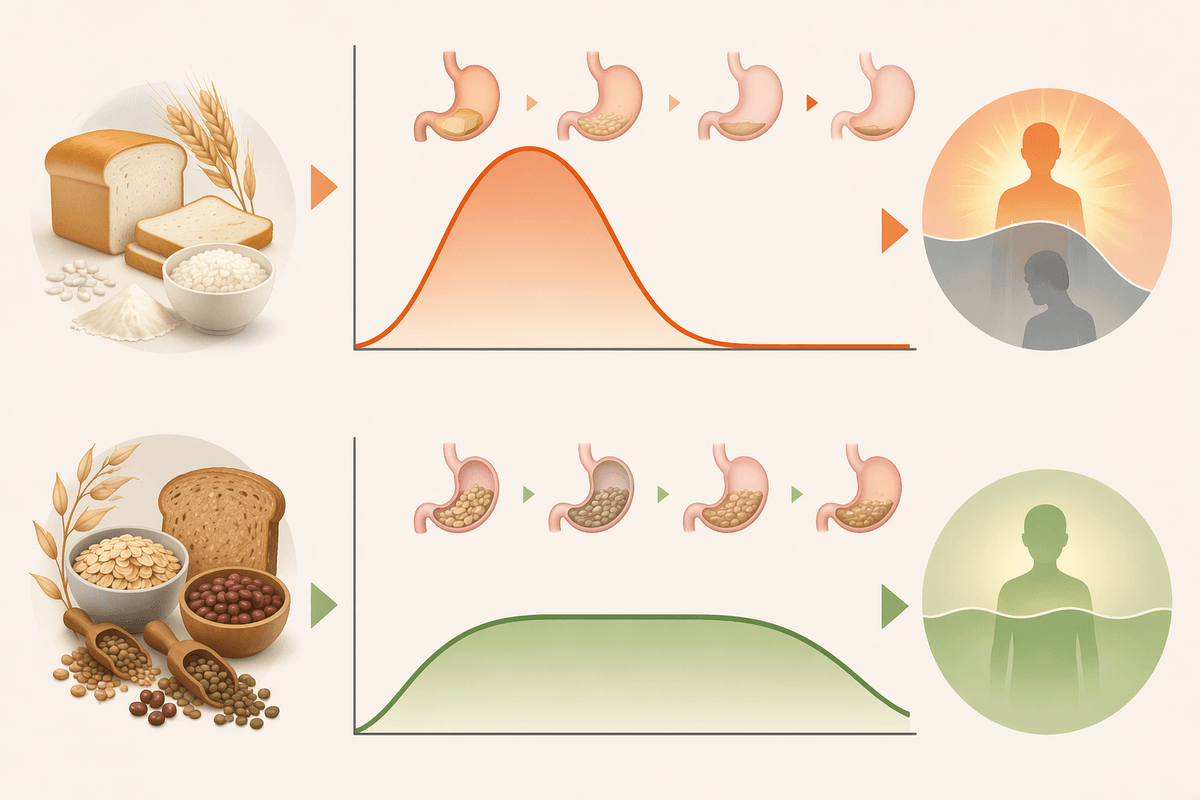
At your desk, you might notice the odd combo: a “real” lunch—sandwich, chips, maybe a cookie—and then a hollow feeling an hour or two later. It can be subtle at first, like you’re restless rather than hungry, until you’re standing at the vending machine pretending you’re just stretching your legs.
Often it’s the carb base doing more of the work than you realize. Refined carbs (white bread, crackers, many snack chips) break down quickly, which can feel like a clean burst of energy and then a quick fade. Upgrading the same meal with a slower carb—whole-grain bread instead of white, oats instead of a pastry, brown rice or quinoa instead of white rice, beans or lentils folded into a bowl—tends to add fiber and a little chew. That extra “friction” can help fullness feel steadier, not just louder.
It’s not always straightforward, though. Some whole-grain products are basically refined flour with a darker color, and some high-fiber swaps can feel heavy if your stomach isn’t used to them. If the pattern improves—fewer mid-afternoon raids, less urgent snacking—it’s usually a sign the upgrade is doing what it’s supposed to do.
Snack swaps that change cravings and convenience
By mid-afternoon, it’s rarely a dramatic hunger. It’s more like your hands want something to do while you’re reading a thread or sitting through a call, and the easiest option is whatever comes in a crinkly bag.
A lot of “snacky” foods are built to disappear fast—little fiber, little protein, a lot of salt or sweetness—so they quiet your mouth more than your stomach. Swapping the same role, not the whole habit, tends to work better: a handful of nuts plus a piece of fruit instead of cookies, Greek yogurt instead of a candy bar, hummus with carrots or whole-grain crackers instead of chips. The point isn’t a perfect snack; it’s adding a slower layer so the craving doesn’t bounce back in 20 minutes.
If the better option isn’t within reach, autopilot wins. You can usually tell a swap is useful when the next snack feels optional, not urgent.
Protein swaps that lower saturated fat quietly
You might not notice it at dinner—until later, when you feel oddly weighed down even though the portion wasn’t huge. On busy nights, protein can default to whatever cooks fastest: sausage in pasta, pepperoni on pizza, a big scoop of ground beef in tacos. It’s filling, but it can also bring more saturated fat than you meant to choose.
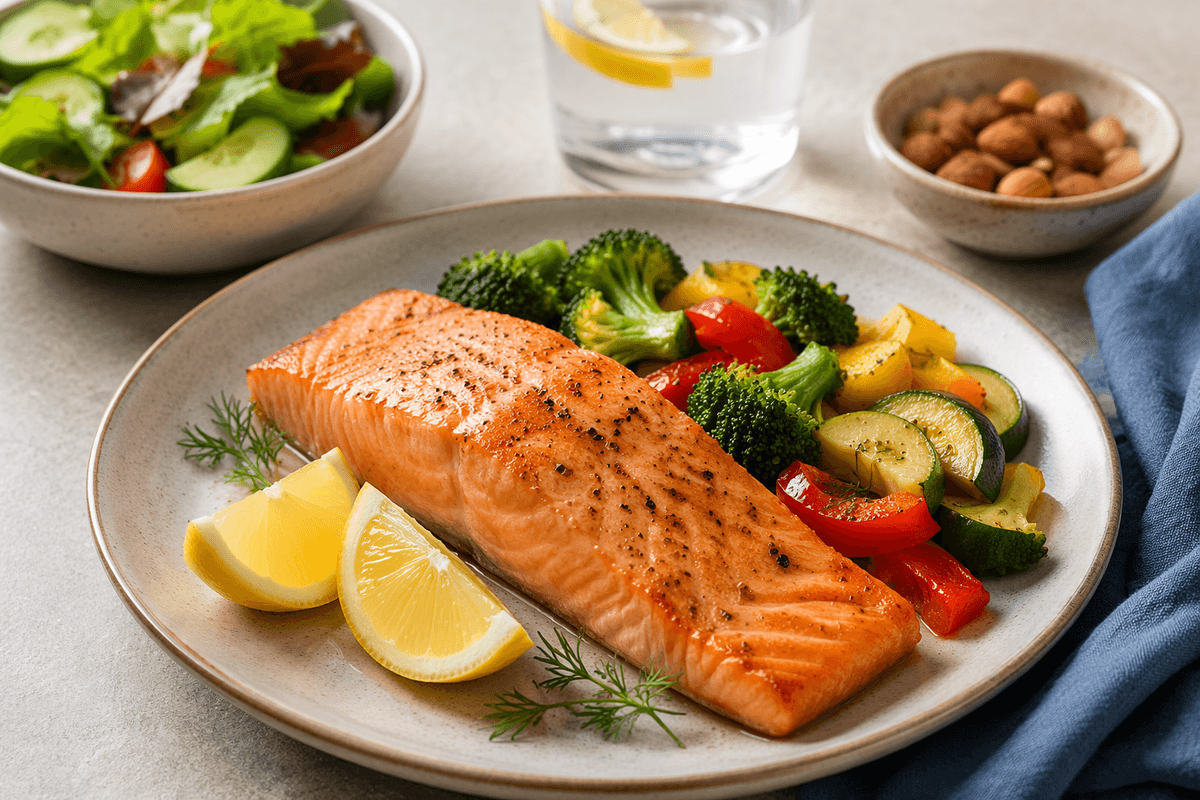
One quiet shift is keeping the same meal shape and swapping the protein base. Chicken or turkey in place of higher-fat meats, beans or lentils mixed into chili, canned tuna or salmon instead of deli meat, or a bowl built around tofu rather than a heavier cut can land the same “I ate real food” feeling with less saturated fat tagging along. Protein still does the steadying work, but the after-effect can feel a little lighter.
It doesn’t always read as “healthy” in the moment—leaner options can seem less satisfying if they’re dry or under-seasoned. If you notice fewer heavy post-meal dips and less need to snack for something “missing,” that’s usually the swap doing its job.
Flavor swaps that cut sodium without tasting bland

The first clue is usually your tongue, not a label: the soup tastes “normal,” but afterward your mouth feels a little dry, and you keep reaching for water. A lot of quick meals lean on sodium to make packaged food hit fast—deli turkey, jarred pasta sauce, seasoning packets, bottled dressings—so the flavor feels finished even when the meal is simple.
A swap that often holds up is adding flavor from somewhere else before you add salt. Lemon or lime, vinegar, mustard, garlic, pepper, chili flakes, and fresh or dried herbs can make the same bowl or sandwich taste sharper and more “complete,” so you don’t need as much salty boost. Even mixing half regular sauce with a no-salt-added or low-sodium version can keep the familiar taste while nudging the default down.
Low-sodium options sometimes taste oddly sweet or flat at first, and your palate may still be expecting that instant punch. If you notice you’re less puffy or less thirsty after the same kind of lunch, that’s often the quiet sign the swap is landing.
When healthier swaps backfire and feel confusing
Sometimes the “better” choice is the one that leaves you annoyed an hour later. You swap to a high-fiber bar, a giant salad, or a low-sugar yogurt, and instead of feeling steadier you feel bloated, still snacky, or weirdly unsatisfied—like you did the right thing and your body didn’t get the memo.
A lot of that comes down to mismatch. Some swaps add fiber fast without enough fluid or time to adjust, so your stomach feels heavy before your brain feels fed. Others remove the fat or sugar that made a food feel comforting, but don’t replace it with protein or enough volume, so the “reward” signal stays loud. And “healthier” versions can be smaller than they look on the label.
If a swap keeps backfiring, it may not mean you failed—it may mean the default needs a different lever: more protein, a slower carb, or just a version you’ll actually stick with on a rushed day.