Why holiday eating feels different than normal meals
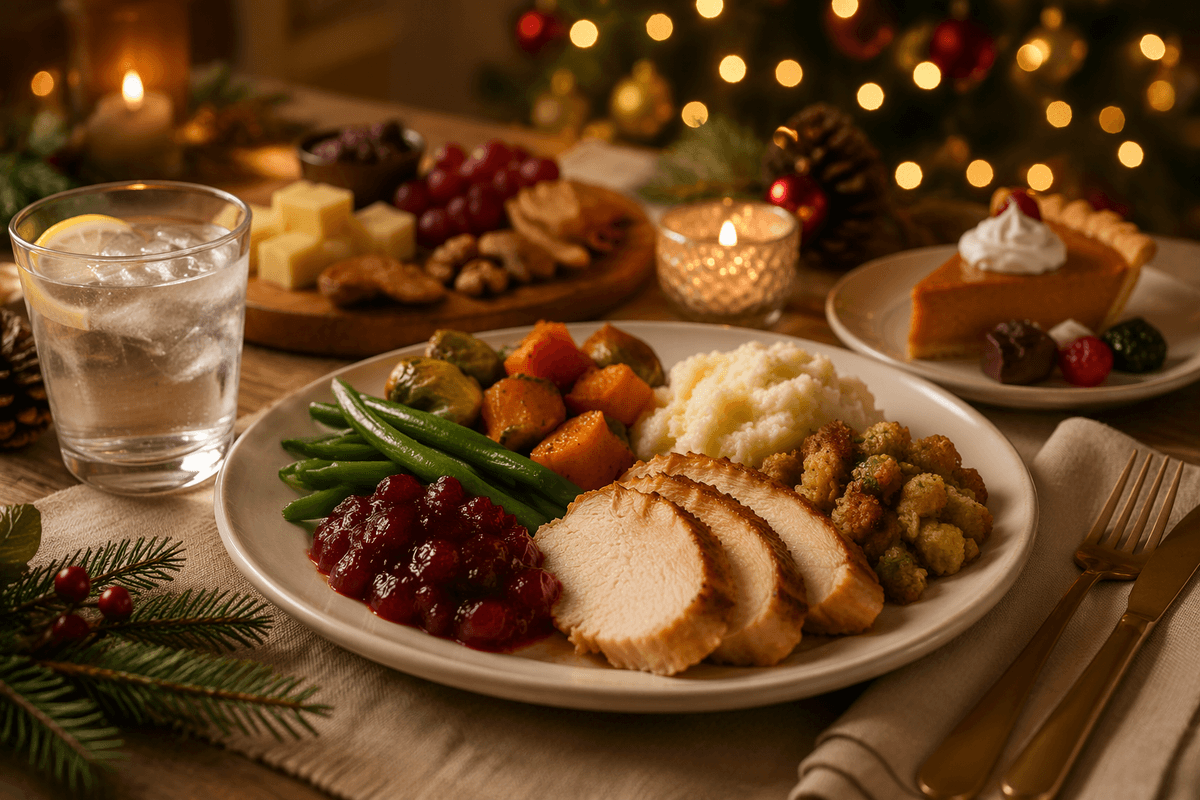
It usually starts with something small: a cookie “just because it’s there,” a splash of eggnog while you’re still wrapping up work, a handful of chips while you’re waiting for everyone to arrive. None of it feels like a real meal, so it doesn’t register the same way lunch does on a normal Tuesday. But your stomach and blood sugar still count it, even if your brain files it under “holiday atmosphere.”
Holiday food also shows up in formats that blur the usual stop-signs. Buffets, grazing boards, and endless refills make portion size feel flexible, almost optional. Add alcohol and conversation, and it may feel like you’re eating slowly—yet the total adds up because the eating window is long. In the background, late nights and early errands can dull hunger and fullness signals, so you end up relying on what’s convenient, what’s offered, and what looks good right now.
Over a few gatherings, that combination can quietly reset expectations: snacks become constant, “special” foods become normal, and appetite cues get harder to read. The result isn’t a single dramatic overeat so much as a drift—one extra bite, one more pour, one more round—until you notice the familiar uncomfortable fullness arriving later than you expected.
The hidden cost of arriving overly hungry
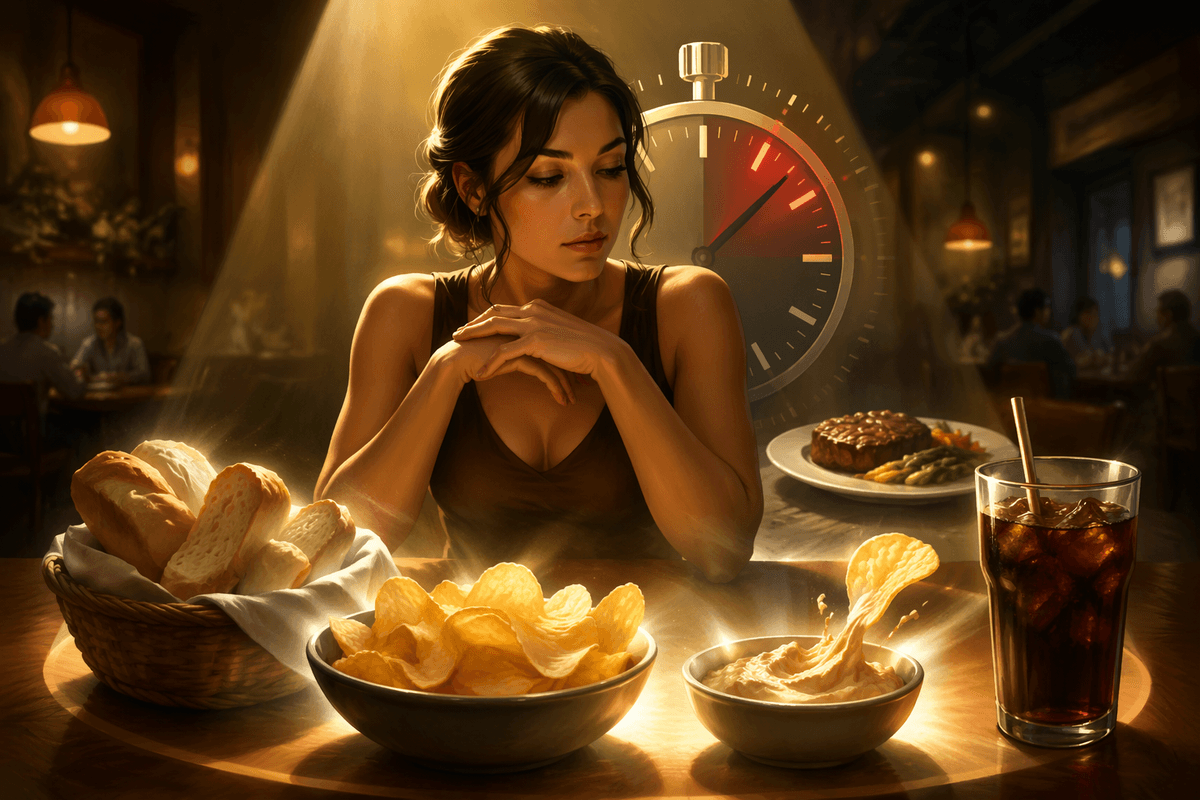
You notice it halfway through the first plate: you’re eating fast, but it doesn’t feel fast. The room is loud, you’re catching up, and your hands are doing what they’ve been waiting to do since you skipped lunch “because it was going to be a big dinner anyway.” By the time you register how hungry you actually were, the easy-to-grab foods have already done their job.
Arriving overly hungry can make the first ten minutes feel like an emergency, even if you’re calm on the outside. When you’ve gone a long stretch without real food, your brain tends to prioritize quick energy and high reward—bread baskets, chips, creamy dips, sweet drinks—because they’re fast and reliable. They don’t always create the same steady settling feeling as a more balanced start, so you may keep reaching while your stomach is still catching up.
It can also scramble your “was that enough?” sense. Intense hunger plus distractions can push you past the point where you would normally pause, especially when the main meal arrives after appetizers. Later, it may look like you “lost willpower,” when it was really timing—your body trying to close a gap as efficiently as it could.
Build a plate that matches what matters
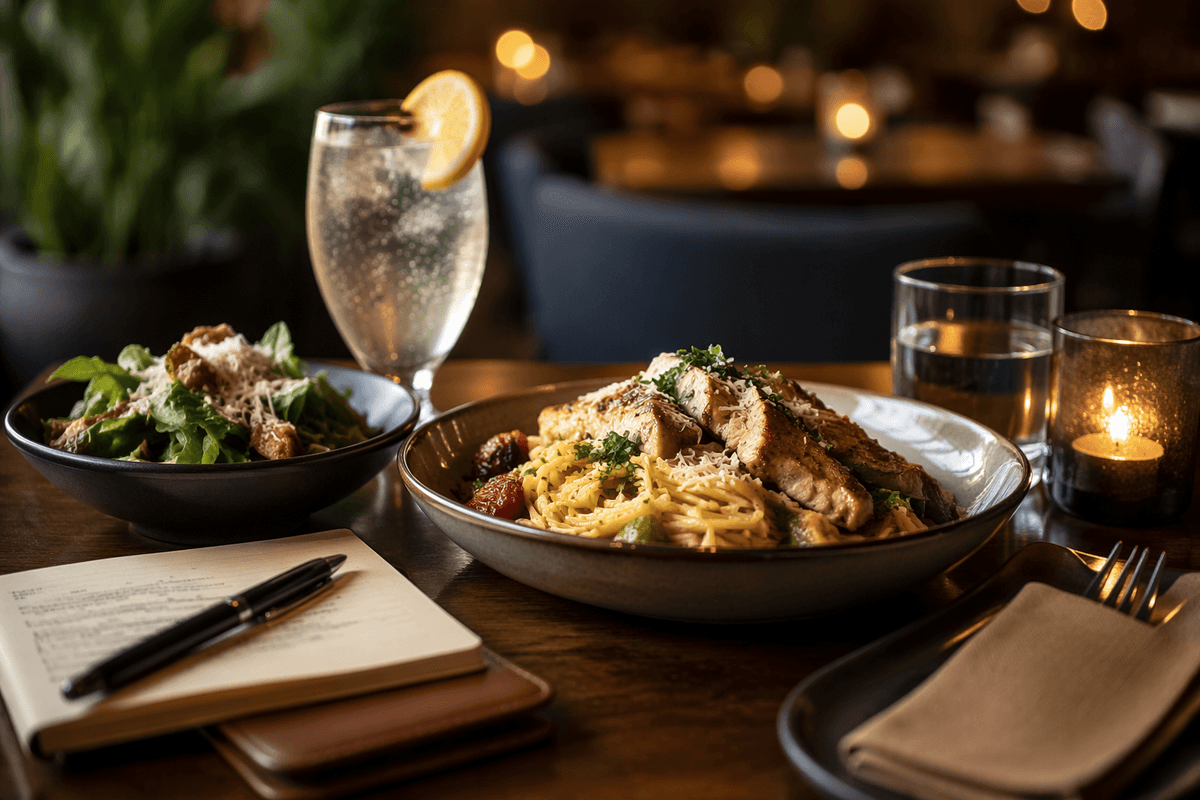
The first pass at a holiday spread can feel oddly unsatisfying, even when your plate looks full. You take a few bites, keep chatting, and notice your eyes scanning for “the good stuff” like you haven’t really started yet. That’s often the moment when a plate has a lot of volume but not much that actually settles you—or much of what you’d be disappointed to miss.
A helpful way to think about it is that most buffet tables are heavy on quick-hit foods: crispy, creamy, salty, sweet. They light up appetite, but they don’t always create lasting calm in your body the way protein, fiber, and something with a bit of chew often do. If those grounding pieces are missing, fullness can stay fuzzy, and you may keep adding “just a little” because the meal still feels unfinished.
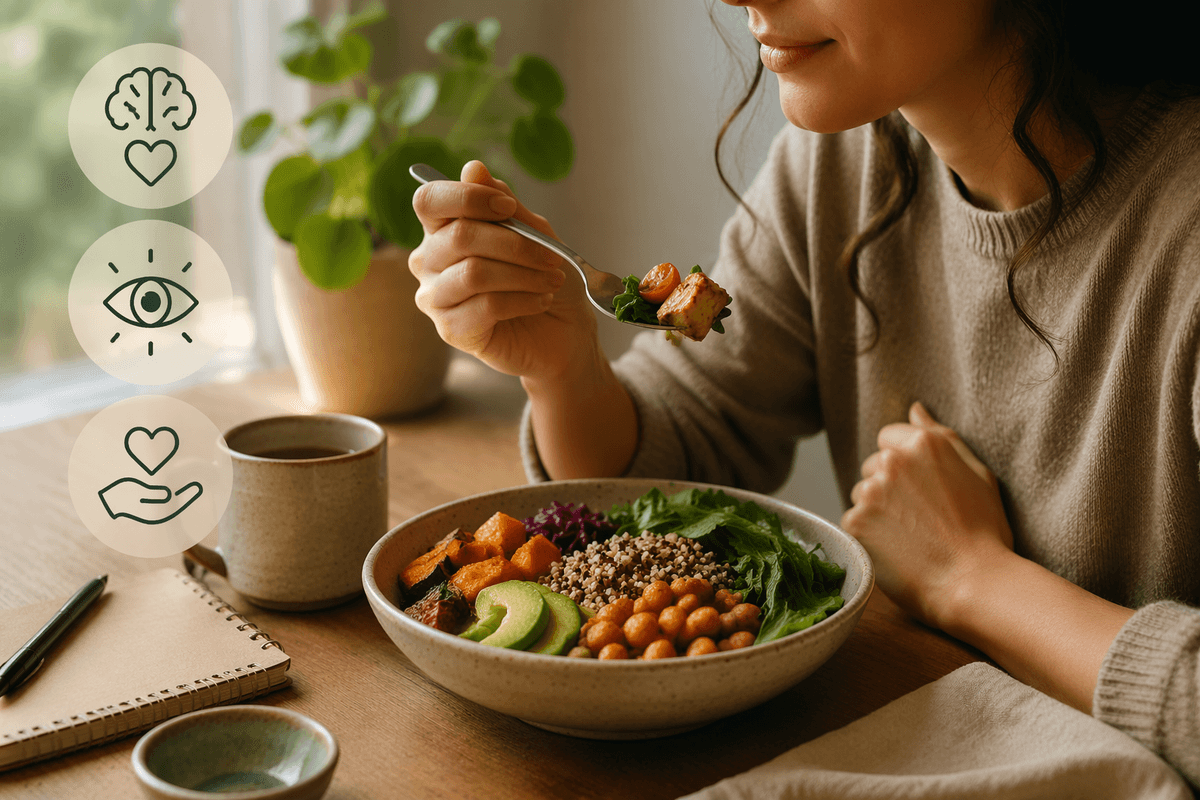
So the plate that works best is usually the one that matches your real priorities: a couple of must-have favorites, plus enough steady food to slow the chase. It won’t be perfect every time—some dishes surprise you, and portions can be hard to judge—but the goal is to feel satisfied without needing a second round to prove you were there.
Pacing bites so fullness signals can catch up
Somewhere around the middle of a favorite dish, there’s a brief lag that’s easy to miss: your plate looks smaller, but your body hasn’t updated yet. In a busy room, that delay can feel like “I’m still hungry,” even if you’re already on the way to comfortable full.
Fullness signals aren’t instant. Stretch in the stomach, shifts in gut hormones, and the drop-off in novelty as the first bites stop being new all take a little time. Alcohol and chatter can blur the “settling” feeling even more, so your pace becomes the cue instead of your appetite.
That’s why the fastest part of holiday eating is often the first ten minutes. If bites are large and back-to-back, the stop-sign may arrive late—sometimes not until you stand up and feel suddenly heavy. Slowing can be as simple as putting the fork down to talk, taking a sip, or finishing one item before adding the next.
Dessert decisions that avoid the all-or-nothing spiral
The first dessert bite is often when the inner math starts: I’ve been “good,” so I can have this or I already had a cookie, so what’s the point now? It can feel like a clean line you either stayed on or crossed, even though the rest of the meal was a series of small choices you barely noticed. In a room full of options, that all-or-nothing thinking can show up fast—especially when you’re tired and the sweet stuff is the most exciting thing left on the table.
Part of the trap is that dessert hits differently when you’re already warm, a little buzzed, and just full enough that signals are muddy. Sweet foods tend to be easy to eat quickly and don’t always create the same “settled” feeling as the main meal, so it’s possible to keep tasting without feeling satisfied. Add variety—three kinds of pie, candy on the counter, chocolates in someone’s bag—and your brain keeps getting fresh little reward spikes that make stopping feel strangely unfinished.
What helps is noticing the moment you’re no longer choosing dessert, you’re chasing a feeling. Some gatherings make a small serving feel like a tease, while others make a few slow bites feel complete. The difference is rarely willpower; it’s whether dessert still feels like a deliberate part of the celebration, or just the default thing your hand does while everyone keeps talking.
Handling food pushers without creating social tension
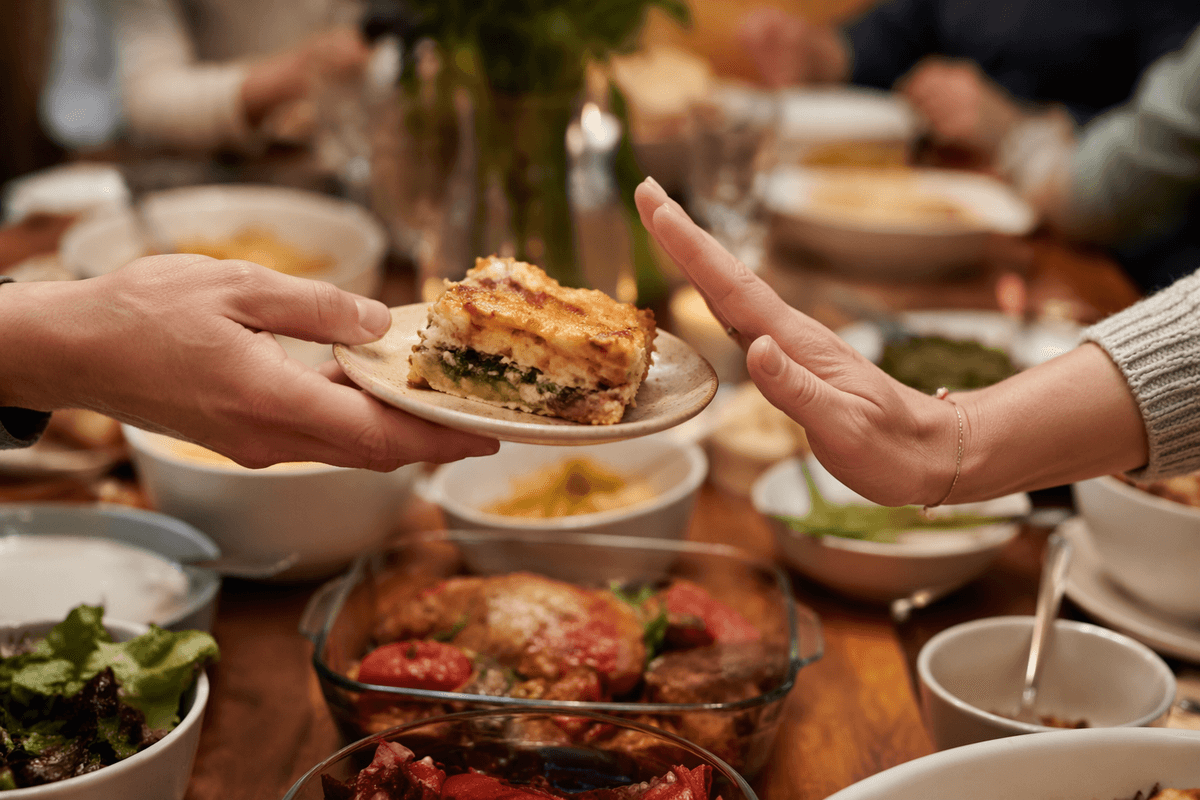
You’re holding a plate you’re genuinely fine with, and someone is already leaning in: “You barely took anything—try this,” or “I saved you a bigger piece.” In the moment, it can feel easier to accept than to explain. But if you’ve been pacing yourself, that extra “just one more” can land like a weight later, because it often stacks on top of food you didn’t choose.
Food pushing usually isn’t about your hunger. It’s often someone showing care, trying to reduce their own hosting anxiety, or wanting their dish to be noticed. That social energy can make your body’s quieter signals harder to trust—especially if you’re already slightly full and the room is noisy. You may even interpret the pressure as a cue that you’re missing out, when really you’re just being recruited into someone else’s plan for the night.
One gentle way through is to treat the person, not the food, as what you’re responding to. A warm “It looks amazing—thank you” can acknowledge the intention without automatically taking another serving. If you do accept something, it helps to notice whether you’re choosing it because you want it, or because you want the moment to be over.
After the celebration, reset without punishment thinking
The next morning, it might not be hunger you notice first—it’s that heavy, slightly puffy feeling when you bend to tie your shoes, or the way coffee tastes “off” because your sleep was choppy. It’s easy to translate that into a verdict: I messed up. But a lot of post-gathering discomfort is just timing and load—late eating, more salt than usual, alcohol, and less movement—stacking in a body that’s trying to catch up.
Punishment thinking usually shows up as extremes: skipping breakfast, promising a “clean” day, pushing a hard workout you don’t really have energy for. It can recreate the same setup that led to overeating in the first place—arriving to the next event overly hungry, more reward-driven, and less able to read fullness until it’s late.
A steadier reset often looks boring on purpose: normal meals at normal times, water because you’re thirsty, and a little extra attention to sleep if you can get it. If the pattern continues across multiple gatherings, the most useful question isn’t “How do I make up for it?” but “What would make the next decision feel easier to hear?”