Picking Europe’s best family trip isn’t about hype
I paused over a map at the kitchen table with an NS day-return tab open, circling “easy” beaches that looked close, then noticing the transfer times creeping past five hours. The glossy “best family city” lists made it sound like you could drop anywhere and it would magically work with a 5-year-old’s meltdown window and a 9-year-old’s need to roam. On paper, Barcelona and Rome win for sights; in July, the heat and queueing can turn those wins into paid frustration.
Hype usually optimizes for photos, not for your actual constraints: 7–10 summer days, €3–5k total, and the reality that you’ll do the same walk three times a day (hotel → playground → supermarket) if the base is right. A place can be “kid-friendly” and still be a bad fit if you need a car for every errand, or if dinner only starts when your youngest is already done. I’d weigh destinations by shaded walking routes, transit that works without planning, and whether you can escape crowds within 30 minutes, not by the number of museums with children’s audio guides.
If you want the most reliable logistics from Amsterdam, Copenhagen (or Copenhagen + Malmö) trades beachy lounging for calm streets and predictable transport, while Brittany (think Nantes as a base with quick coast access) trades headline landmarks for cooler air and less queue time. Northern Spain can deliver food + “wow,” but only if you pick a breezier coastal pocket and accept that August pricing squeezes the budget. If you’re nodding at any of those trade-offs, you’re already choosing better than the internet’s rankings.
Toddlers and strollers: easy, close, calm
At 11:40, I watched a parent try to wedge a stroller into a packed metro car while the lift at the station stayed “out of service,” and it rewired how I judge “easy.” With a toddler, the day is basically naps, snacks, and 400-meter loops—so the wrong base turns every outing into a small logistics project. A flat promenade beats a world-class attraction when you’re racing the pre-nap window.
If you want stroller-proof calm without long travel, Copenhagen (or Copenhagen + a night in Malmö) is the cleanest “no-car” bet: wide pavements, frequent transit, and playgrounds that feel like part of the city rather than a separate theme. The trade-off is price and less beach sprawl; you pay for predictability, and you’ll need to book family rooms early to stay inside an easy radius. It works best for parents who’d rather do two small, reliable outings a day than chase “must-sees” across town.
For a cooler, more local-feeling summer, Brittany via Nantes is the opposite bargain: fewer headline sights, more air you can actually breathe at 14:00, and coast days that don’t require committing to one resort bubble. The limitation is route inefficiency—train, then a short car hire or bus can be the difference between “we made it” and “we arrived cranky.” If your kids still nap, pick one walkable base and treat the beach as a day-trip reward, not a daily obligation.
School-age kids: hands-on cities and coasts
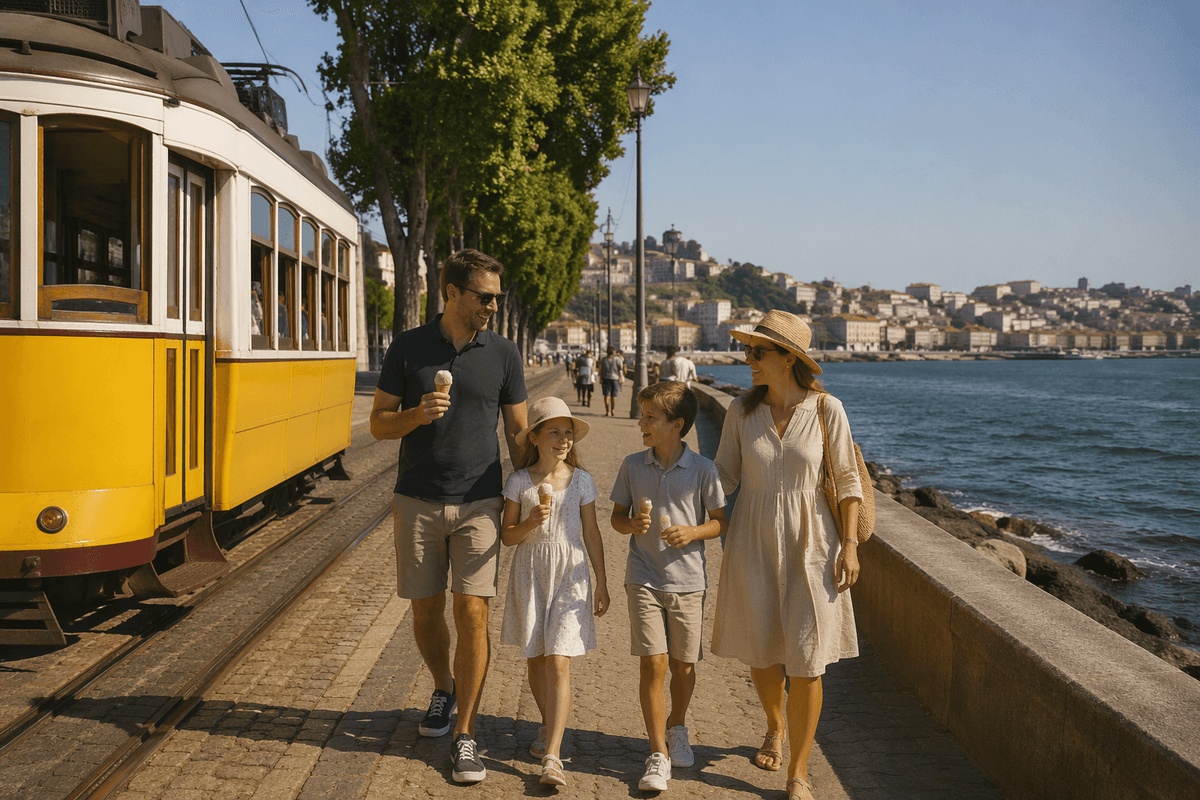
I hesitated with two browser tabs open: “family room Hamburg” on one side, and a beach aparthotel near Porto on the other, both jumping €40–€70 a night once I toggled to late July. That tiny booking friction matters more with a 5- and 9-year-old than it should, because it quietly decides whether you’re walking to breakfast or commuting to it. When the base is wrong, you end up paying twice: once in euros, once in energy.
For school-age kids, I’d lean toward “hands-on city + reachable water” rather than pure resort or pure museum. Hamburg does this well: Miniatur Wunderland is genuinely absorbing (not just “kid-friendly” branding), and you can stitch in a coast day via Lübeck/Travemünde without renting a car. The trade-off is crowd flow—book the big attraction time slots early, then keep afternoons loose for parks and ferries, because that’s when legs (yours too) start to go.
If you want a stronger “holiday feel” without committing to all-inclusive, Porto with a beach edge (Foz/Matosinhos) tends to work better than the hotter southern cities: you get trams, river boats, and food that doesn’t require a late-night dining culture to enjoy. The limitation is summer demand—centrally located apartments with two bedrooms disappear fast—so it suits parents who can lock dates early and then stop over-planning. If you’re torn, pick the place where your daily loop stays under 20 minutes; your kids will turn that into freedom.
Teens: freedom, food, and wow-factor

At 19:15 on a crowded U-Bahn platform, I watched two teenagers negotiate the day without adults: one checking a transit app, the other holding a paper döner like it was the whole point of the trip. It looked effortless, but only because the city made “just go” viable—frequent trains, clear signage, places to sit that weren’t a paid café. That’s the teen threshold: if every outing needs your routing brain, the freedom piece collapses fast.
If you want that independence plus reliable food, Berlin is hard to beat for a 7–10 day summer break from Amsterdam: neighborhoods feel like separate mini-trips, street food doesn’t punish early dinner, and lakes (Wannsee-style) give you a heat release valve without committing to a resort. The trade-off is scale—walkability exists inside each area, but zig-zagging the whole city every day burns patience and transport time. It works best if you pick one well-connected base and let teens “own” one daily mission (market, mural hunt, vintage shop) while you keep the evening loop short.
For wow-factor that still feels local, the Basque pairing (Bilbao + San Sebastián) plays nicer with summer temperatures than much of Spain, and it’s naturally teen-friendly: galleries, beaches, and food that rewards curiosity rather than kid menus. The limitation is logistics versus a single-city break—two bases add packing friction—so I’d only split if you can keep each stay to 3+ nights. If you’re unsure, borrow the teen rule anyway: choose the place where your kids can safely wander for an hour and come back proud of what they found.
What I’d pick for your family week
Three weeks before departure, I was staring at a Sunday-to-Sunday grid while prices flickered every time I changed “2 bedrooms” to “family room.” The annoying detail was the train timing: anything that needed two tight connections started to look less like a holiday and more like a test. That’s usually when I stop browsing and pick the base that makes breakfast and a playground feel automatic.
If you want the least regret from Amsterdam with a 5- and 9-year-old, I’d choose one of these three, depending on what you’re willing to trade. Copenhagen (optionally one night Malmö) is the “easy-mode” week: safe walkability, parks on tap, and transit that doesn’t punish spontaneity—at the cost of higher room rates and fewer lazy beach days. Porto with a beach edge (Foz/Matosinhos) is the best middle ground: genuine city energy plus cooler Atlantic air, but you’ll need to book early to avoid paying extra for distance. Hamburg is the practical splitter: a standout kid magnet (Miniatur Wunderland) plus ferry/river time and a doable coast day, with the limitation that you must time-slot the big hits or you’ll queue in the heat anyway.
My bias for your family: pick the one where your daily loop stays under 20 minutes on foot, even if it means fewer “famous” sights. If you’re still torn, decide by what you’re least patient for this summer—budget squeeze (Hamburg), heat/crowds (Porto edge), or planning fatigue (Copenhagen)—and commit.