When prices spike, your trip feels impossible
The tab is still open from last night, and the numbers don’t even look like the same destination anymore. Airfare that felt manageable a week ago is suddenly double, the “family-friendly” hotel now costs as much as the whole trip plan, and the budget you were protecting starts to feel like the thing that’s ruining the vacation.
This is the moment when most people make a fast choice just to stop the discomfort: either they abandon the trip, or they book the first “reasonable” option before it jumps again. Both moves can backfire. The sticker price is loud, but it’s not the full bill—bags, seat selection, transfers, resort fees, and cancellation terms are already waiting in the fine print.
A cleaner way to regain control is to treat the spike as a signal to slow down and rebuild the trip from totals: door-to-door cost, not just flight cost; nightly rate plus fees, not just the headline; refundable versus “cheap but locked.” The trip doesn’t have to be impossible, but it does have to be re-scoped with less guesswork and fewer irreversible clicks.
Use flexibility to turn expensive dates into deals

The quickest relief usually comes from moving one lever at a time instead of re-shopping everything. Start with dates. If the week you “need” is priced like a holiday, look at a three-day shift in either direction and price it as a total trip: airfare for everyone, bags, seats, and one extra hotel night if the cheaper flight lands late. The cheaper option is only a deal if it doesn’t quietly add nights, meals, and ground transport.
Airports are the next lever, and they behave like dates—small changes can produce outsized gaps. A farther airport can work if the transfer is predictable and capped, not a rideshare gamble at peak hours. Families often save more by flying into the cheaper airport and out of the convenient one, but only if the car rental or rail ticket doesn’t erase it.
Then choose what flexibility you’re actually buying. Paying a bit more for a fare that can be changed once, or booking the first two nights refundable while you wait on the rest, can keep you from locking in the wrong version of the trip. The constraint is time: prices can drop, but availability can vanish first, so set a “book-by” date and stop revisiting the same searches every night.
Cheaper flights come with fees and friction
The next set of options usually looks comforting: “basic economy,” a low-cost carrier, or an itinerary with a long connection that drops the fare enough to feel like a win. But the relief is fragile. The cheaper price is often just a different bundle, and the missing pieces show up later as separate line items—sometimes at the worst possible moment, like when you’re already at the checkout screen and mentally committed.
Run the comparison the way the trip will actually be lived. Price it with the bags you’ll bring (including carry-ons that some airlines charge for), the seats you’ll need (especially if keeping a group together matters), and the payment rules (credits, change fees, and whether cancellations turn into a voucher you can realistically use). If the “deal” requires everyone to travel with a personal item, don’t treat that as an assumption—treat it as a risk with a dollar value.
Then account for the friction costs that don’t show up as fees. Tight connections can force an expensive airport meal or a last-minute hotel if a delay breaks the itinerary. Secondary airports can add an extra hour of ground travel and a larger rideshare bill at peak times. The cheapest flight can still be the right choice, but only after it survives a totals test and a realistic stress test.
Stay elsewhere, but budget for the hidden trade-offs
After flights are sorted, the lodging map is where the budget usually gets “fixed” in a hurry. A hotel just outside the hot zone looks like the obvious compromise: bigger room, lower nightly rate, maybe even free parking. It can work—but only if the cheaper address doesn’t turn into a daily drip of transport, time, and convenience costs that you end up paying anyway.
Start by pricing the stay the way you’ll move through the days. Add the real commute: transit fares for everyone, rideshares when you’re tired or it’s raining, and the cost of parking near the places you’re actually going. If the plan requires a rental car “just in case,” treat that as part of lodging—not a separate decision—because it’s often the hidden substitute for a walkable location.
Then look for the softer leaks that push spending up: fewer nearby breakfast options, higher delivery fees, and the temptation to overpay for convenience when you’re far from everything. A slightly pricier place that reduces daily logistics can be the cheaper total, especially on a short trip where every hour is expensive.
Eat like locals without turning vacation into chores
By the time the lodging math is done, food is the next place people promise they’ll “be disciplined,” then quietly blow the budget on day two. The first warning sign is the plan that depends on perfect behavior: cooking every meal, hunting down the “one cheap spot,” or walking an extra mile with hungry kids because it’s supposedly worth it. Those are savings ideas that turn into friction, and friction usually turns into a convenience purchase.
A cleaner approach is to decide which meals you’re buying for value and which you’re buying for fuel. One simple constraint helps: commit to one paid “destination” meal per day, then fill the rest with reliable, low-decision options—bakery breakfast, supermarket picnic, or a neighborhood counter-service place. If your hotel includes breakfast, treat it like a line-item credit: use it on the most expensive mornings, not the day you’re leaving early.
Also price the sneaky add-ons that make “cheap” food expensive: delivery fees, drinks, and snacks between activities. A small routine—refillable water bottles, one grocery stop for fruit and basics—often saves more than a complicated cooking plan, and it doesn’t steal the vacation.
Plan activities around free wins and smart passes
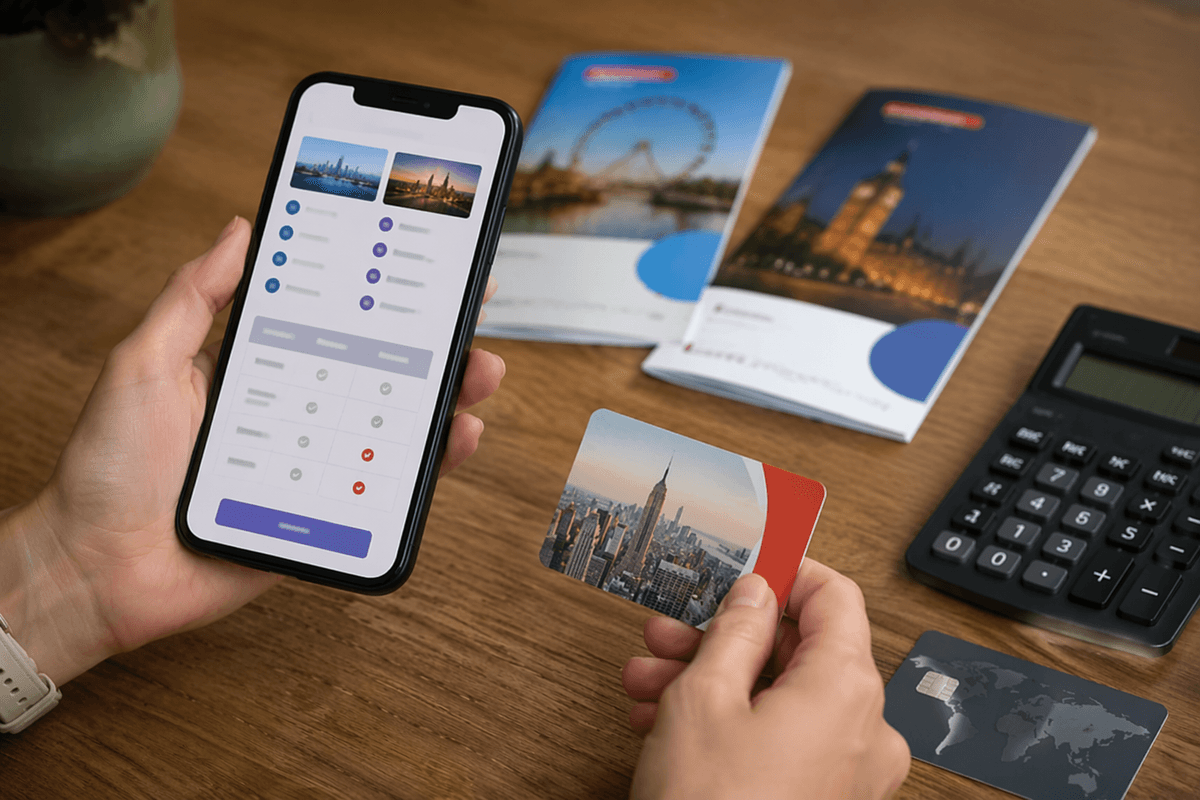
Once food is under control, activities become the next pressure point, because they’re the part of the trip that feels most “optional” right up until everyone’s standing around deciding what to do. The mistake is treating each day as a blank slate and buying your way out of uncertainty. A better constraint is to anchor each day with one free win—park time, a neighborhood walk, a beach afternoon, a museum free window—then spend deliberately on the one paid thing that actually sets the tone.
City passes and bundles can help, but only after a quick totals check. List the two or three paid attractions you’d do even if there were no pass, add up adult and child pricing, and compare that to the pass cost plus reservation friction. If the pass requires timed entry, long pickup lines, or cramming “value” into short days, it can trigger secondary spending: extra transit, rushed meals, or an overpriced add-on because you’re already there.
The cleaner pattern is fewer paid tickets, bought earlier when cancellation terms are clear, paired with free blocks that absorb weather and fatigue. That keeps the budget intact without turning the schedule into a checklist.
Make savings stick after you land
The budget usually breaks in small moments after arrival: the “quick” rideshare because the transit map feels annoying, the extra checked bag on the way home because souvenirs got bulky, the convenience-store run that turns into $40. None of it is reckless. It’s just spending to remove friction when everyone is tired and the clock is running.
Make a few decisions before that friction shows up. Set a daily “burn rate” for variable spend (food, local transport, small tickets), then keep one shared note where charges get dropped in as they happen. The constraint is attention—if it takes more than 30 seconds, it won’t get done—so keep categories blunt and move on.
Then build two caps that prevent the big leaks: one pre-chosen fallback option for getting around (transit pass, one taxi route, or a rental car day) and one rule for purchases that grow over time (souvenirs, snacks, upgrades). If you end up paying extra, at least know what you’re buying: time, comfort, or certainty—so the “deal” doesn’t quietly become the trip’s most expensive habit.