Why Richmond surprises first-time visitors
The first surprise hit me before I even parked: Richmond doesn’t “announce” itself the way bigger East Coast cities do. You roll in expecting a small capital with a couple of museums and a dinner reservation, and instead the place keeps changing block by block—industrial brick turning into pocket galleries, then suddenly you’re staring at the James River like you took a wrong turn into a state park. That variety is the charm, but it’s also where weekend plans can wobble if you assume everything is walkable from one central strip.
What makes Richmond click for a 2–3 day trip is accepting that it’s a city of districts and bridges, not one continuous downtown. If you stay in the wrong spot for your priorities, you’ll either overpay for walkability you don’t use or spend your best hours shuttling and circling for parking. Museum-heavy days favor compact, easy-in/easy-out areas; brewery-and-dinner nights favor neighborhoods where you can park once and linger; river time asks for daylight and a little energy in your legs. Richmond rewards a loose plan—but it punishes “we’ll just figure it out” once it’s 6:30 p.m., you’re hungry, and the good places are on a wait.
Choose your vibe: history, arts, food, outdoors
I hesitated at the first fork in the road: do we start with “Richmond the capital” or “Richmond the river city”? If you’re history-leaning, aim your morning at the Capitol area and nearby memorials—easy to knock out before lunch, but it can feel a little quiet once offices empty, and parking shifts from simple to annoying if there’s an event. Arts-first travelers do better anchoring in the museum-and-gallery orbit (with a quick detour to see murals), though you’ll want to watch your clock; a long museum block can crowd out the best daylight hours on the water.
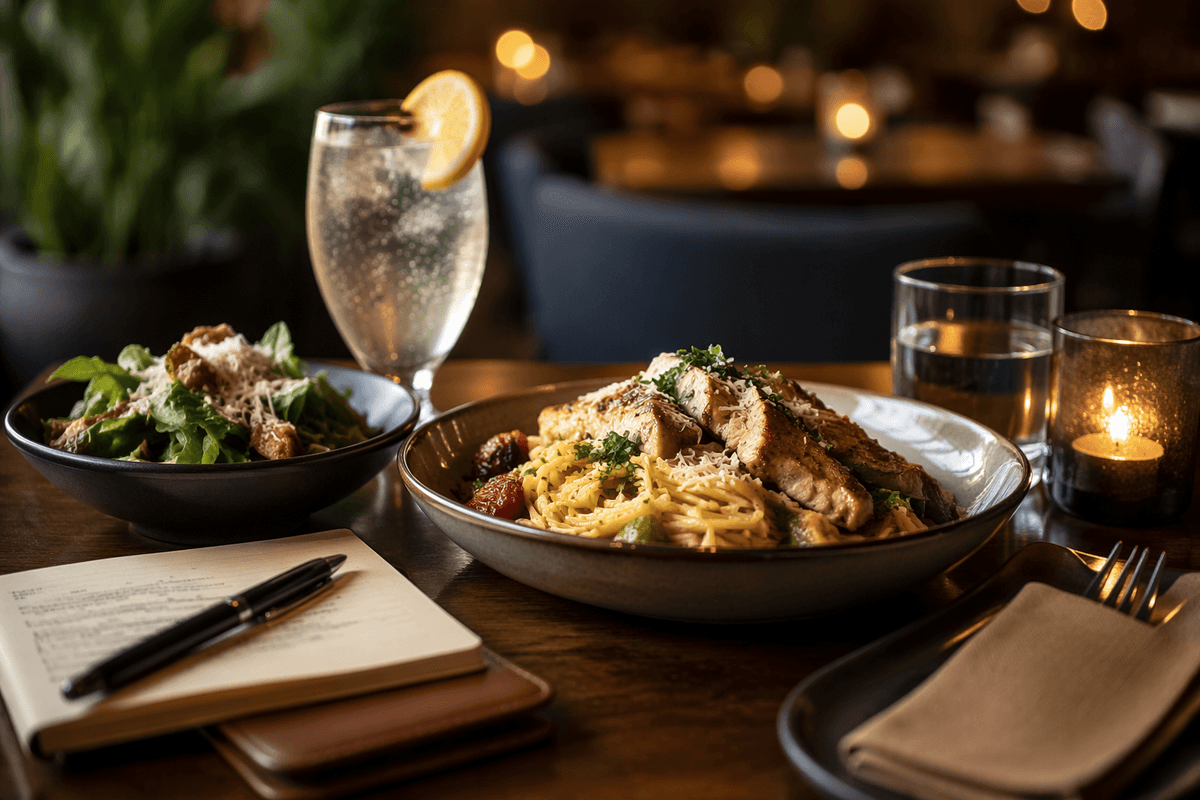
Food and breweries are the easiest vibe to get right—if you pick the right base. Choose a neighborhood where you can park once and bounce between dinner, a pint, and dessert on foot; the catch is weekends can stack waits fast, so a loose “two options per meal” plan beats improvising at 7 p.m. in a popular corridor.
For outdoors, treat the James River like a scheduled activity, not a filler. Late afternoon is gorgeous, but it’s also when you’re most likely to be tired, and some trails/rocks ask for real shoes and a little patience. If river time matters, protect it early in the day and let museums slide to later.
The unmissable neighborhoods that feel like Richmond
I realized we were losing time the first night when we tried to “just drive until something looks good” and ended up looping for street parking with everyone else. Richmond’s neighborhoods aren’t hard to understand, but they do ask you to pick a home base so you can park once, walk, and actually feel the city instead of managing it.
If you want the easiest weekend rhythm, the Fan/Museum District is the most forgiving: leafy blocks, quick access to museums, and enough restaurants that you can pivot when a wait gets ugly. The limitation is cost and competition—lodging and Saturday dinner tables go fast, and you’ll still be driving to the river. For a more night-forward trip, Scott’s Addition is the “breweries within a few blocks” answer; it’s efficient and social, but it can feel warehouse-y in daylight, and weekend parking/lines spike when there’s a game or a festival vibe.
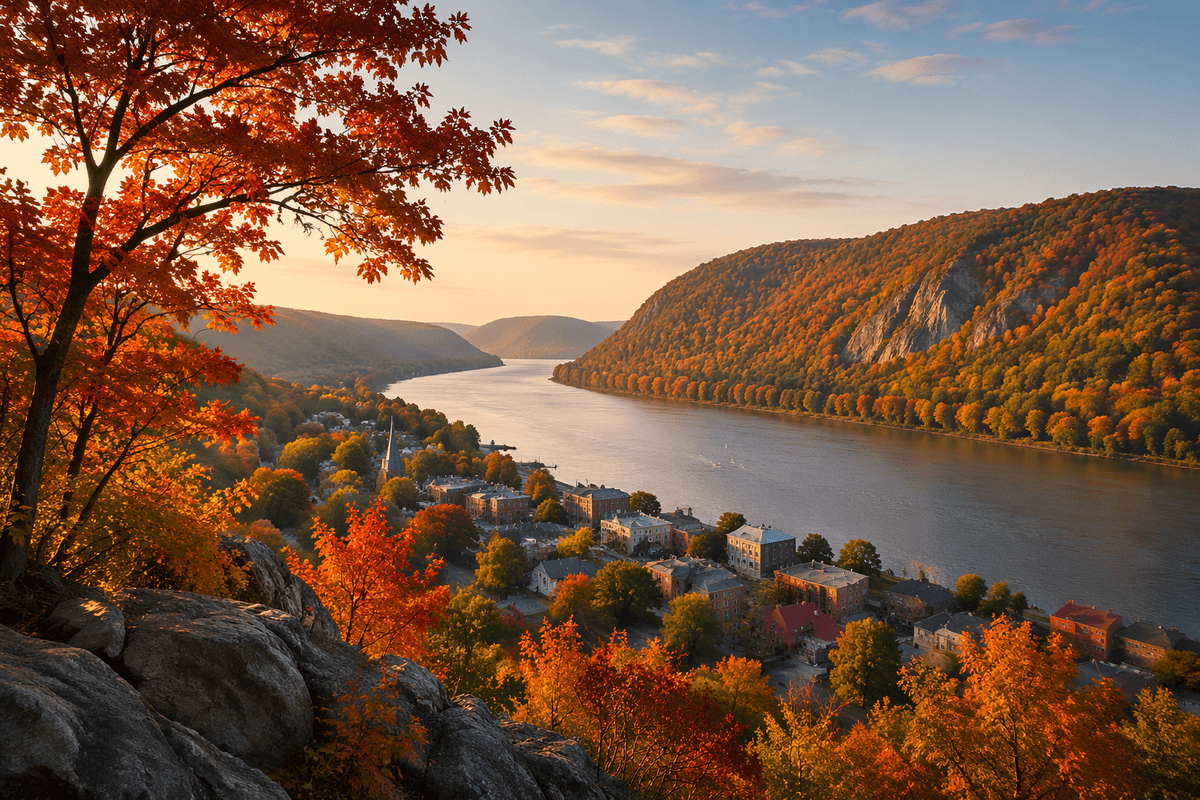
Church Hill rewards the traveler who likes a slower morning and a scenic walk—great views, a more residential feel, and dinners that feel like a plan rather than a pit stop. The catch is it’s less plug-and-play if you’re trying to stack museums, breweries, and river time without driving between them. Carytown sits in the middle: shopping and casual eating are easy, but it can skew crowded and “stroll-y” on weekends, which is fun until you’re hungry and every patio is full.
Signature experiences worth planning around
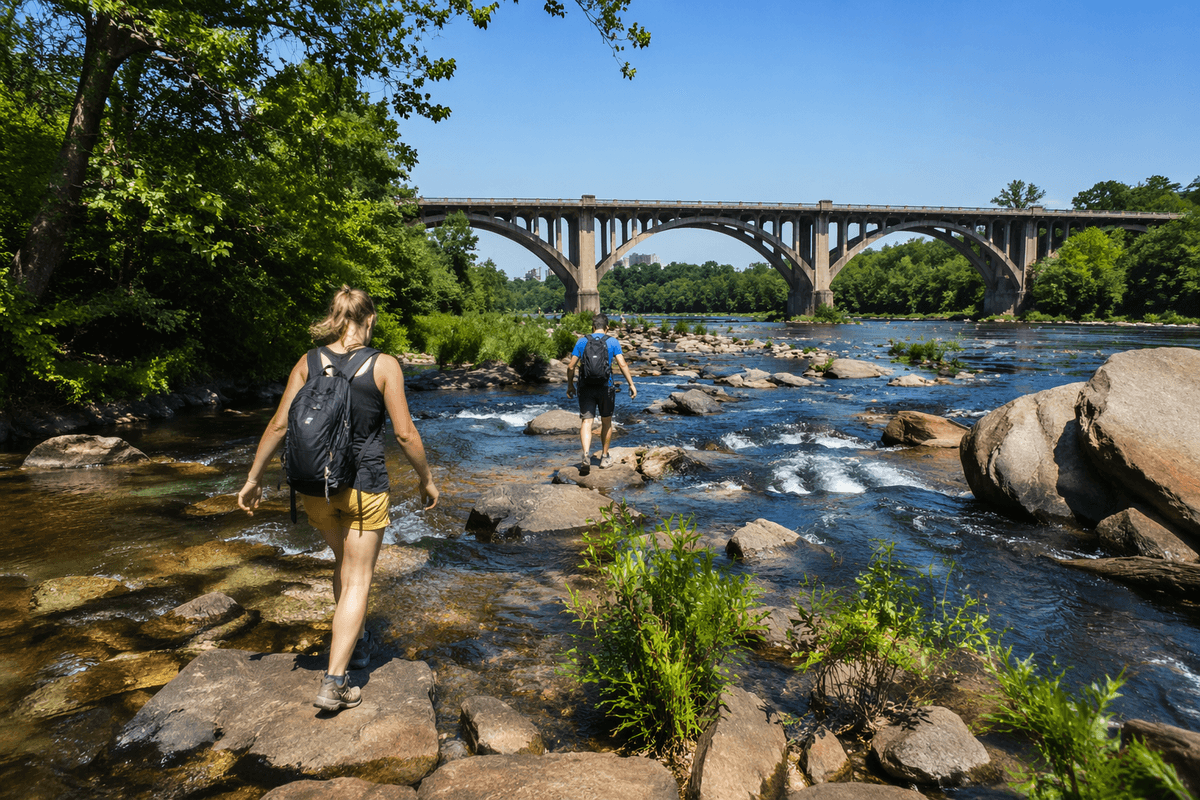
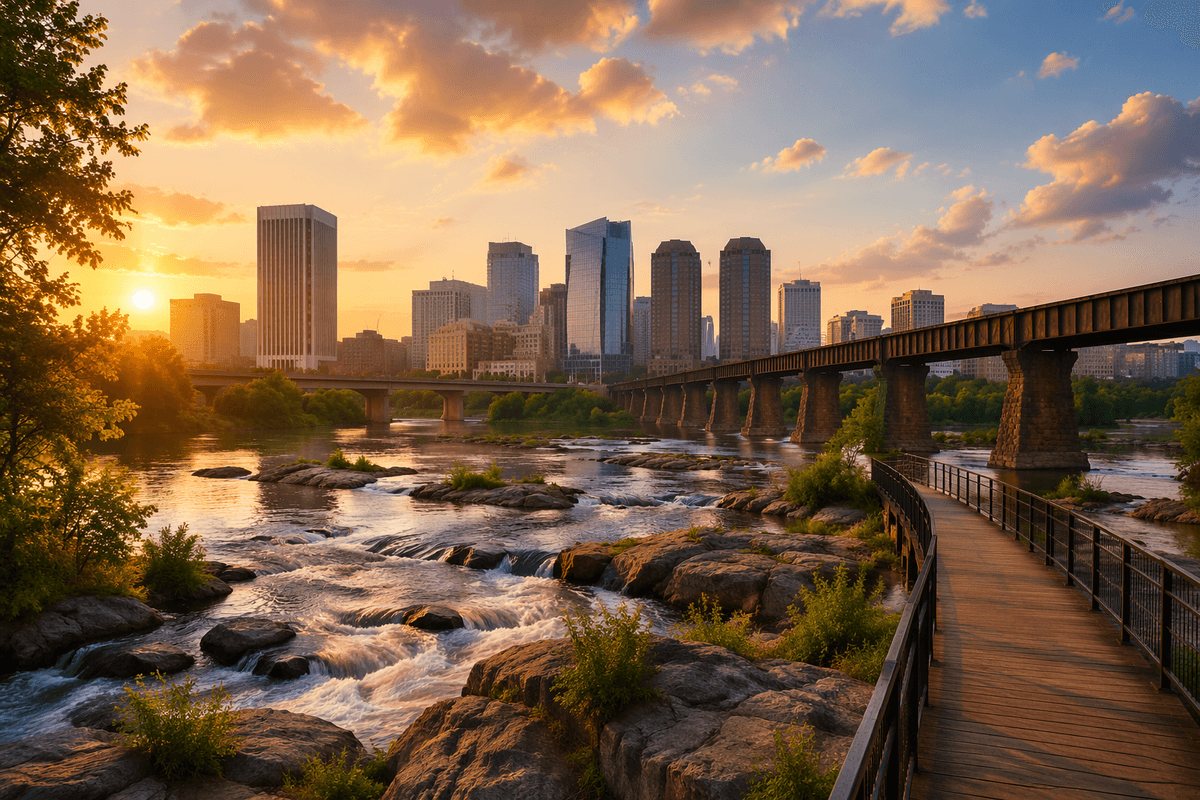
We almost made the classic mistake of treating the James River like background scenery—something to “swing by” between lunch and a brewery—and it immediately started slipping away. If you only lock in one anchor, make it a river block: Belle Isle and the Potterfield Memorial Bridge are the easiest entry points, but they’re not effortless. The rocks and trails feel like a mini-adventure, which is exactly why you want daylight and real shoes; show up late and you’ll either rush it or decide it’s “too much” and head back to asphalt. If you’re choosing between this and a long museum morning, I’d protect the river first and let indoor time expand later when your legs are done.
The other experience that rewards a little planning is VMFA plus the Fan right around it—because it’s one of the few places where “wander and see what happens” actually works. You can do a tight, satisfying museum loop, then spill into nearby streets for coffee, dinner, or a porch drink without re-parking. What doesn’t work as well is trying to cram it into a late afternoon slot; galleries have closing times, and your “quick visit” can turn into a clock-watching shuffle.
For a night anchor, pick one: Scott’s Addition for brewery-hopping efficiency, or Church Hill for a dinner that feels like the point of the evening. Scott’s is great when you want low-friction choices within a few blocks, but it gets loud and line-y fast on Saturdays. Church Hill is calmer and prettier, but it’s less forgiving if you didn’t snag a reservation and you’re counting on walking to your second option.
Eat and drink like a local, not a tourist
We learned quickly that Richmond meals aren’t just “pick a restaurant”—they’re a logistics choice. On a Saturday night, walking into Carytown at 7 p.m. without a backup plan can turn into a slow-motion hunger spiral: every patio is full, every waitlist is an hour, and you’re suddenly debating fast-casual you didn’t come for. The fix isn’t overplanning; it’s deciding which neighborhood you want to eat in before you park, then keeping two dinner options within a 10-minute walk so a line doesn’t hijack the whole evening.
If you’re staying near the Fan/Museum District, lean into the local rhythm: coffee and something small early, a real lunch after VMFA, then a later dinner when the initial wave calms down. It works because you can keep moving on foot, but it doesn’t work if you try to drive between “just one more spot” and reset parking each time—those little hops eat the night. Scott’s Addition is the opposite: it’s built for brewery-hopping efficiency, but food can feel secondary unless you intentionally pair one brewery with a proper meal instead of grazing from whatever line looks shortest.
For a meal that feels like Richmond (not just convenient), Church Hill is the best “make one reservation” neighborhood—especially if you want an early-ish dinner followed by a walk for the view. Just don’t count on endless spontaneous choices afterward; it’s more curated than chaotic, which is great when it’s a plan and frustrating when it isn’t.
Make it easy: when to go and how to get around
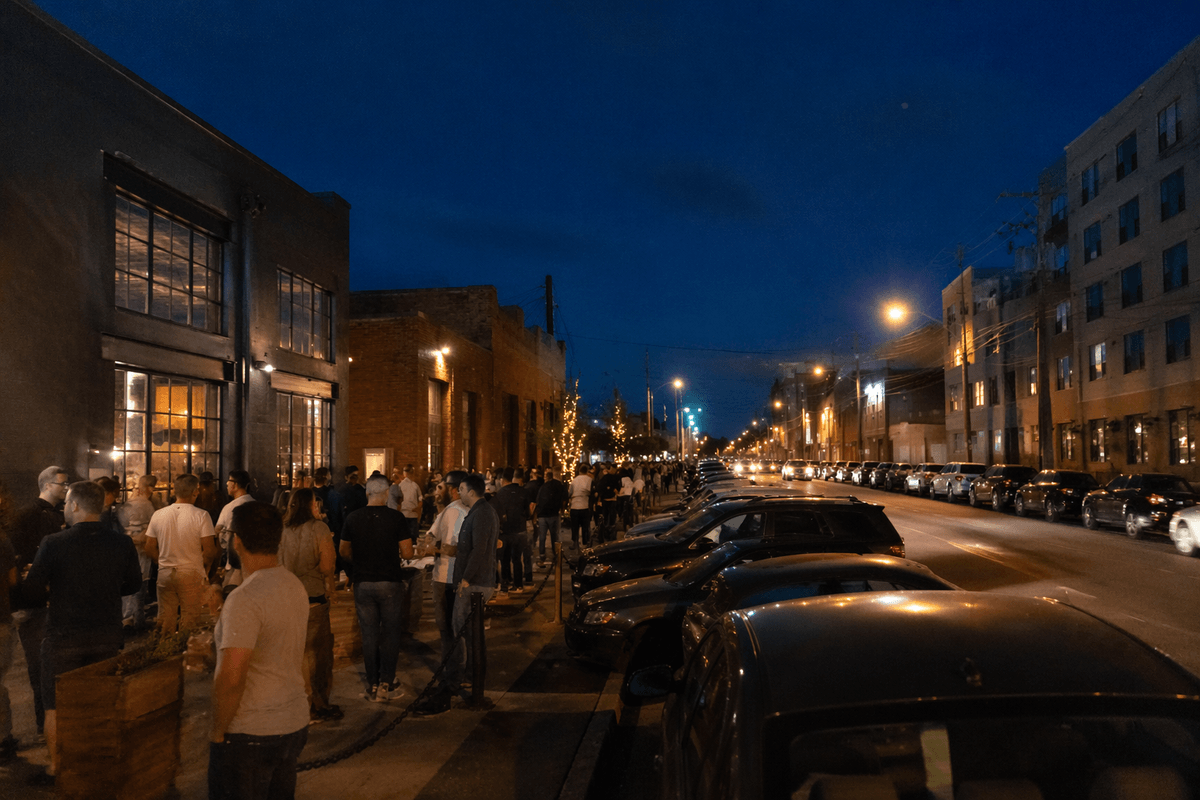
We hit our first real friction point on a Saturday around 11 a.m.: not traffic, exactly—just the slow bleed of time from “quick” parking decisions. Richmond is easy if you treat it like a set of short zones instead of one walk-everywhere city. Spring and fall are the sweet spot for a weekend because river time is actually pleasant and patios make sense; midsummer can turn Belle Isle into a heat commitment, and winter is fine for museums but less forgiving if your plan depends on wandering outdoors.
For a 2–3 day trip from DC/NoVA, I like arriving Friday before dinner if you can; rolling in at 7:30 p.m. is when you’ll feel every waitlist and every full curb. Getting around is simplest as “park once per neighborhood”: Fan/VMFA days are walk-heavy and low-stress if you commit to one area, while Scott’s Addition is best when you accept a little weekend chaos and don’t keep moving your car. If you’re training in, you can still make it work with rideshares, but the trade is cost creep—and you’ll be tempted to skip the river because it feels “far” without a car.
One small decision that saves a lot of energy: protect mornings for the James River or museums, and push breweries and dinner later. Richmond nights are fun, but they’re not worth a whole afternoon lost to circling and resetting plans.
Leave with your own Richmond story
The moment that made Richmond stick for me wasn’t a “must-see” at all—it was realizing, late on the last day, that our best memory came from leaving a little slack. We’d built just enough structure to avoid the 7 p.m. waitlist roulette, but not so much that we couldn’t follow a mural detour or take the long way back to the car. If you try to hit every neighborhood in 48–72 hours, you’ll spend your weekend on bridges and in parking limbo; if you pick two anchors (river + one food/drink corridor, or museum + one dinner neighborhood), the city starts to feel like yours.
Before you head home, give yourself one “closure” block that matches your pace: a calm Church Hill walk for the view, a last VMFA/Fan coffee loop, or a final pint in Scott’s Addition if you’re okay with a little noise and line time. The only thing I’d avoid is squeezing in a brand-new area with a hard deadline—Richmond’s small frictions (finding a spot, waiting on a table, realizing the river takes more walking than you thought) are manageable until you’re watching the clock back to DC.