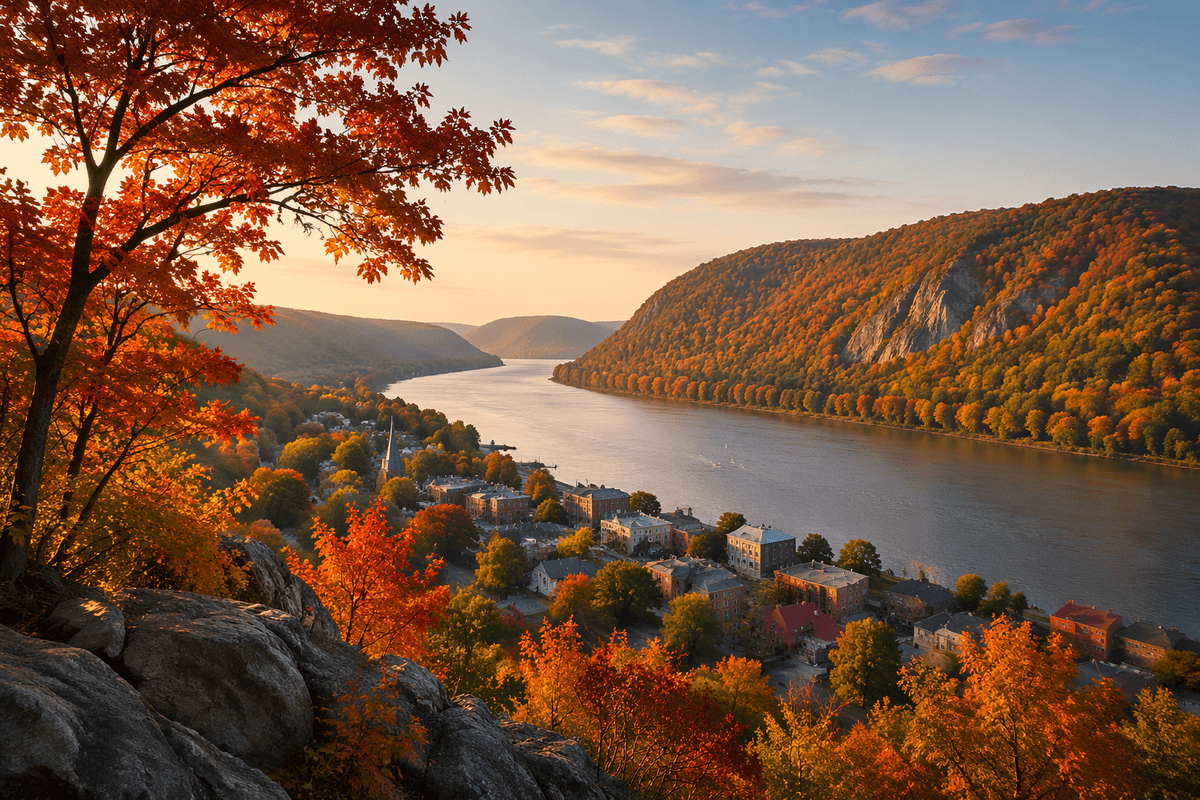
Why Kaua‘i feels different—and what surprises first-timers
The first surprise on Kaua‘i hits before you’ve even “done” anything: you can watch a bright, postcard sunrise in Poʻipū and then drive 45–60 minutes toward Kapaʻa or Hanalei and feel like you entered a different season—cooler air, heavier clouds, and roads that suddenly demand patience. It’s not that the island is hard to navigate; it’s that it punishes vague plans. If your mental model is “small island = quick hops,” the reality (two-lane roads, limited cross-island routes, and occasional slowdowns) can quietly eat the day you thought you’d spend hiking.
Kaua‘i also feels different because the marquee experiences don’t line up neatly on one coast. Nā Pali access tends to pull you north or offshore, Waimea Canyon pulls you west, and waterfalls/green valleys skew wetter and more spontaneous. That means your biggest decision isn’t “what should we see?”—it’s “how many times do we want to pay the driving-tax?” A 6–8 day trip can absolutely fit beaches plus hikes, but first-timers are often shocked by how quickly a “sunset dinner plan” turns into a timed mission if you’re staying far from where you’re exploring.
Finally, the island’s calm vibe can be misleading: some of the best moments require structure. Parking limits, trail or beach access rules, and boat availability can force you to commit earlier than you’d expect—especially if you’re trying to keep things mid-range and not splurge your way out of constraints. The win is that once you accept Kaua‘i’s microclimates and bottlenecks, choosing a base becomes less emotional and more strategic.
Pick your base: North Shore, East, South, or West
I watched my Google Maps estimate flip from “arrive by 4:45” to “maybe 5:25” on a totally normal afternoon drive, and that’s when the base-location question stopped being theoretical. On Kaua‘i, your hotel isn’t just where you sleep—it’s the lever that determines whether you’re casually grabbing a beach sunset or negotiating it like an appointment. If you only have 6–8 days, one base can work, but it needs to match what you’ll actually do most days (not what you hope you’ll do once).
South Shore (Poʻipū/Kōloa) is the easiest “sun most days” choice and a good fit if beach time is non-negotiable, but it makes the North Shore feel like a longer commitment—especially if you’re trying to stack a hike and a dinner reservation into the same day. East (Kapaʻa/Wailua) is the most forgiving midpoint for first-timers: you’ll still drive, but you’re less likely to lose half a day to backtracking; the compromise is more traffic and fewer quiet, walkable resort pockets. North (Princeville/Hanalei) wins on scenery and Nā Pali proximity, yet it’s the least flexible when weather turns or when you’re late to trailhead parking. West is closest to Waimea Canyon, but staying there can feel isolated at night—great for early starts, less great for “wander and choose dinner” energy.
If you hate repacking, pick one base (East or South is the safest bet) and treat the North Shore and Waimea as full-day missions. If you’re okay with one mid-trip move, split 3–4 nights South/East + 3 nights North; it trims drive fatigue, but you’ll pay for it in checkout timing and the mental overhead of moving on what could’ve been a slow beach morning.
Signature experiences worth building the trip around
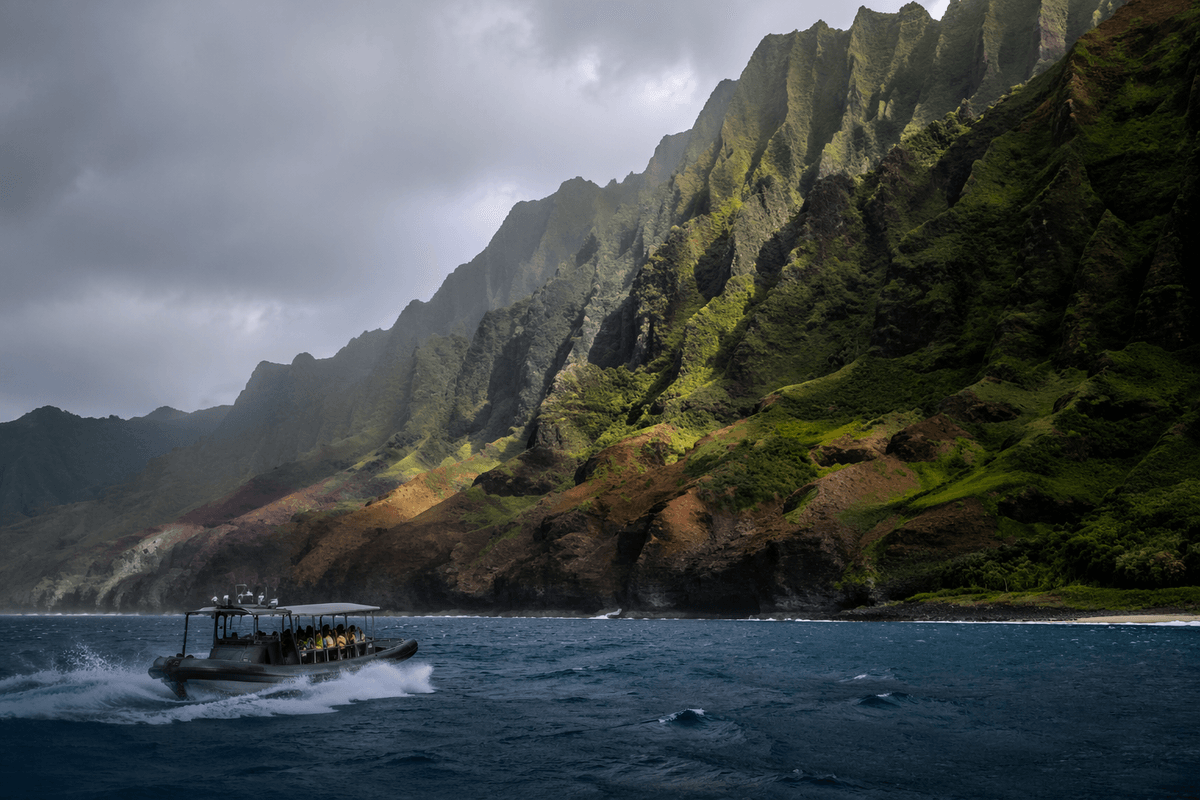
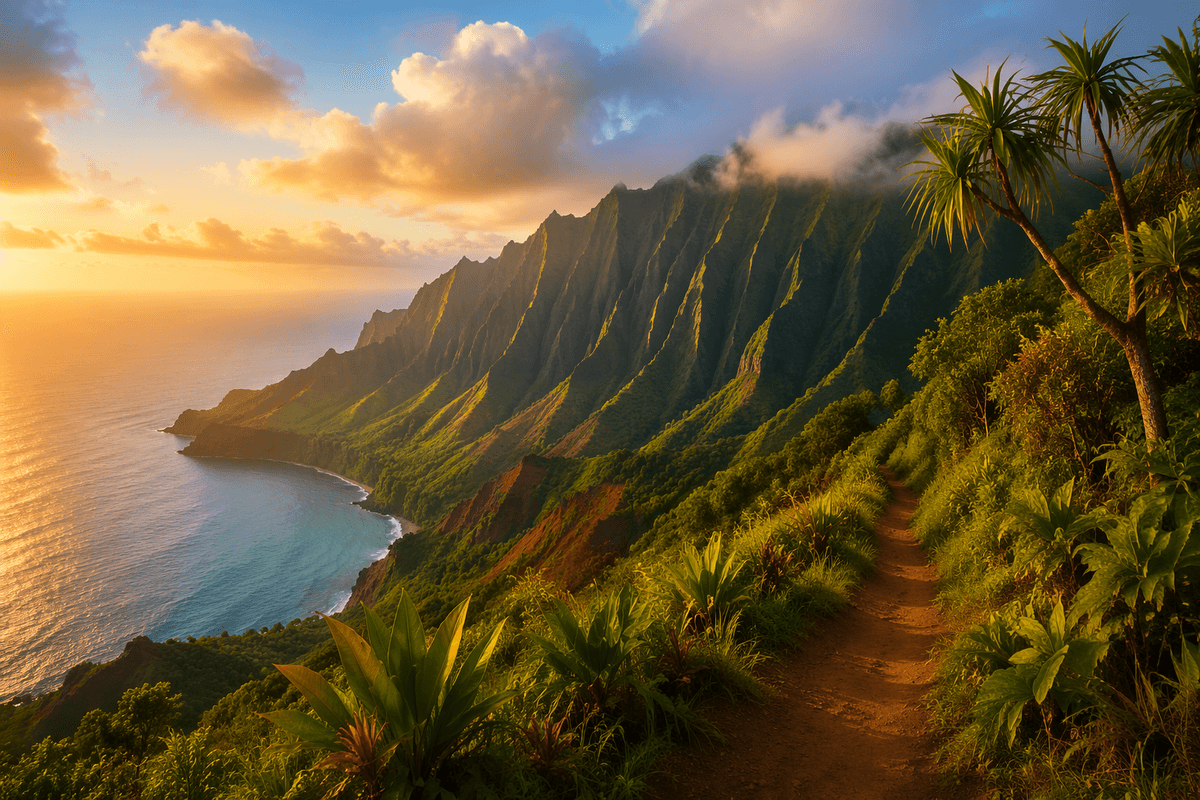
My first real “commitment moment” on Kaua‘i was realizing Nā Pali isn’t a single activity—it’s a choice between time, money, and motion sickness. If you’re mid-range and want maximum wow with minimum logistics, a morning boat tour out of the North Shore tends to feel efficient, but it’s weather-dependent and seas can be rough enough to ruin the day if you’re sensitive. The hike option (Kalalau Trail to Hanakāpīʻai) is cheaper and more intimate, yet it turns into a timed operation: early parking, variable stream crossings, and a hard stop when daylight or crowds start compressing the trail experience.
Waimea Canyon is the opposite kind of signature: it rewards an early start more than a perfect forecast. If you go later, you’re not just fighting crowds—you’re fighting haze and the slow drip of “we’ll stop at one more lookout” until your afternoon disappears. I liked pairing it with one short walk (not three) and then leaving energy for a simple West-side beach stop, because overcommitting here can make the rest of the trip feel like you’re always recovering.
For waterfalls, build in flexibility instead of forcing a single “waterfall day.” The Wailua side often works as a shorter, lower-stakes win between bigger missions, but rain can change trail conditions fast—great for lush photos, less great if you planned it as your only big hike. If you anchor your week on just two must-dos—one Nā Pali day and one Waimea morning—everything else fits more naturally around weather and how tired your legs actually are.
Best beaches and hikes without the overwhelm
The moment I stopped trying to “sample everything” was when I realized beach time and hike time compete for the same scarce resource: parking. On the North Shore, Hanalei Bay is an easy, low-effort yes for a first timer—wide, swimmable in calmer conditions, and forgiving if you only have an hour—but it’s not the place to arrive late and expect to casually “find a spot.” If you want the iconic look without the stress, go earlier than feels necessary, then leave before midday crowds turn every small decision (bathroom, snack, shade) into a mini project.
For hikes, I’d rather you pick one “real” trail and protect it than stack three short ones and feel rushed. The Kalalau Trail out to Hanakāpīʻai is the obvious headliner, but it’s also the one most likely to punish a vague plan: early start, unpredictable rain, and stream crossings that can shift from photogenic to “turn around” depending on conditions. If you want a lower-friction win, the Canyon side lookouts plus one short walk often delivers the elevation-and-drama feeling with less time pressure than the North Shore trail corridor.
Beach-wise, Poʻipū is the reliable sunset-and-swim option when weather up north is moody, but it can feel busy and less “hidden paradise” than you pictured. That’s not a flaw—just a cue to treat it as your easy-access reset day, especially if you’re coming off a big hike and don’t want another long drive.
Eat, shop, and connect with local culture respectfully
I had one of those “we’ll just grab something quick” moments in Kapaʻa that turned into a 40-minute wait—totally normal on Kaua‘i, and a reminder that food plans can quietly hijack your afternoon if you don’t decide what matters more: spontaneity or protecting daylight for a hike. When you’re running a mid-range budget, the sweet spot is usually one planned meal a day (a specific lunch spot near where you’re already exploring, or an early dinner), then letting the rest be flexible—food trucks, plate lunches, or a grocery run that buys you an easy breakfast before an early start.
Shopping feels best when it’s tied to place, not as a separate errand: small markets and locally owned shops in Hanalei, Kōloa, or Kapaʻa are easy to browse in short bursts, but they’re also where “just popping in” turns into circling for parking. If you want to connect respectfully, pick one cultural site or locally led experience and give it time (instead of treating it like a photo stop), and follow posted guidance without looking for loopholes—Kaua‘i’s access limits can feel strict until you see how quickly a popular spot gets loved to death.
Logistics that make Kaua‘i easy: cars, weather, permits
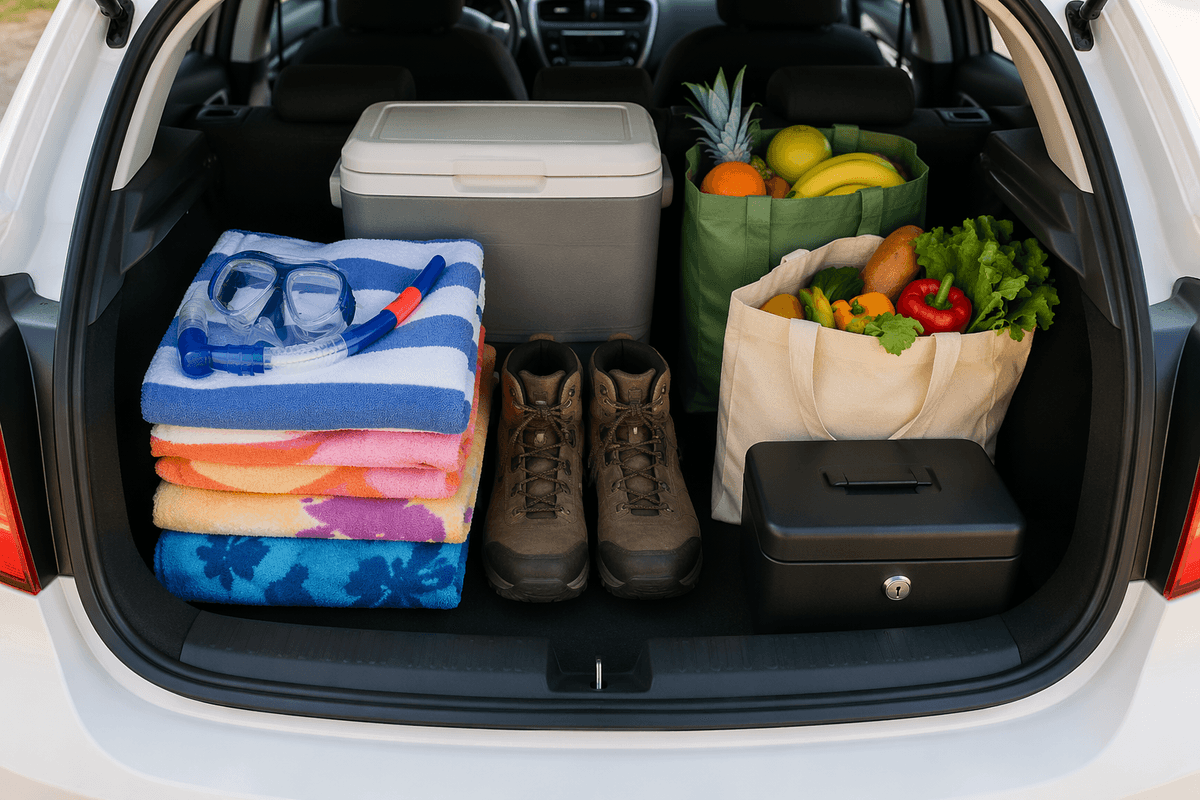
I regretted not grabbing the car the night we landed—because the next morning’s “quick pickup” turned into a line, a shuttle, and a slow bleed of beach time. On Kaua‘i, a rental car is less a convenience than the thing that makes your base choice actually work; rideshares exist, but they’re inconsistent enough that they’ll box you into whichever coastline you’re sleeping on. If you’re trying to keep a mid-range budget, book the car early and be realistic about size: compact is fine for two people, but trunk space matters if you’re living out of beach gear and groceries (and you don’t want valuables visible at trailheads).
Weather is the other silent variable. “It’s raining” doesn’t mean “cancel the day”—it often means “drive 30–45 minutes and it’s different.” The catch is that you can’t outrun every storm without spending your whole morning in the car, so plan your week with a built-in swap: keep one flexible beach half-day on the sunnier South Shore and one hike option that still feels worthwhile if clouds roll in. If you schedule every marquee hike on fixed days, you’ll eventually end up hiking in conditions you wouldn’t have chosen.
Permits and reservations are where Kaua‘i punishes last-minute energy. The Haʻena area (for Keʻe Beach / Kalalau Trail access) can require planning ahead, and boat tours can sell out or get weather-canceled—two different failure modes. I’d lock in your “one big” Nā Pali plan early, then treat everything else as adjustable so a cancellation doesn’t domino into a wasted day.
Leaving Kaua‘i: what you’ll be glad you prioritized
The last morning always tries to steal itself: you think you have time for one more swim, one more viewpoint, one more bakery stop—and then you’re rinsing sand off your feet while watching the clock sprint. What I was glad I’d done earlier in the week was front-load anything with a hard constraint (Haʻena access, a Nā Pali plan, a Waimea morning), because those are the pieces that don’t care about your flight time, your energy, or whether it’s suddenly pouring on your side of the island.
What mattered more than “seeing everything” was protecting two kinds of space: a true no-plan beach window (ideally South Shore when you need sun to cooperate) and a buffer day for weather or boat cancellations. If you skip that cushion, Kaua‘i has a way of forcing you into bad choices—like driving long distances just to prove you “used the day,” or hiking in sketchy conditions because it’s your only open slot.
And if you’re debating one base versus a split stay, the version you’ll thank yourself for is the one that reduced late-week driving. Leaving tired is normal; leaving tired and stuck in cross-island traffic is optional.